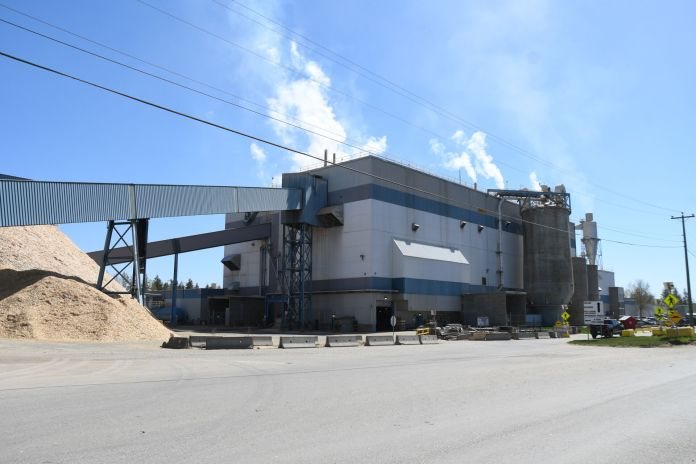
Millar Western has announced the indefinite curtailment of the Quesnel River Pulp mill in Quesnel, British Columbia, a decision that leaves the city's workers, contractors and municipal finances facing a significant blow. The company said the move reflects market challenges and tariffs on Chinese exports, and the mill will not reopen on a set timetable.
The curtailment follows a temporary shutdown of the mill that the company announced in August. The indefinite decision removes any near-term expectation of a restart, and the company's letter on the matter has drawn pointed questions from the city. Mayor Coralee Oakes said Quesnel is deeply disappointed by the announcement, warning that the closure lands on people already struggling with the cost of living.
Oakes said the impact will be felt by workers, by contractors and by their families, at a time when many households in the region are already under affordability strain. The mill is a major employer in the community, and the reverberations of a shutdown of this kind typically extend well beyond the plant gates to local suppliers and service providers, although the notes available do not quantify those effects.
The city's finances are also expected to take a significant hit. Quesnel receives a revenue-sharing grant tied to mill operations, and the city estimates the loss of that grant at between $100,000 and $150,000, a shift of about 1 per cent in its tax base. The city expects the impact to ripple through other revenue sources as well, though the full dollar figure is not yet known.
Oakes said she has already spoken with Premier-elect Lorne Doerkson about the consequences for the community. She is also arranging meetings with Todd Doherty, the Member of Parliament for the riding, this week. Ministry transition teams are expected to be activated as the province's new government takes shape, and the city intends to use those channels to press for help.
The city is calling for support packages comparable to those the federal government has offered industries in eastern Canada, including the auto, steel and aluminum sectors. Oakes said workers will need access to training and practical assistance as they look for their next steps. The city also plans to put direct questions to the company about the indefinite curtailment letter.
The closure carries consequences beyond Quesnel. The mill is part of efforts to meet the province's annual harvest target of 45 million cubic metres, and the curtailment threatens that goal. Possible effects on BC Hydro have also been raised, though no figures have been put on them. It remains an open question whether another company might buy the mill and bring it back into operation.
2