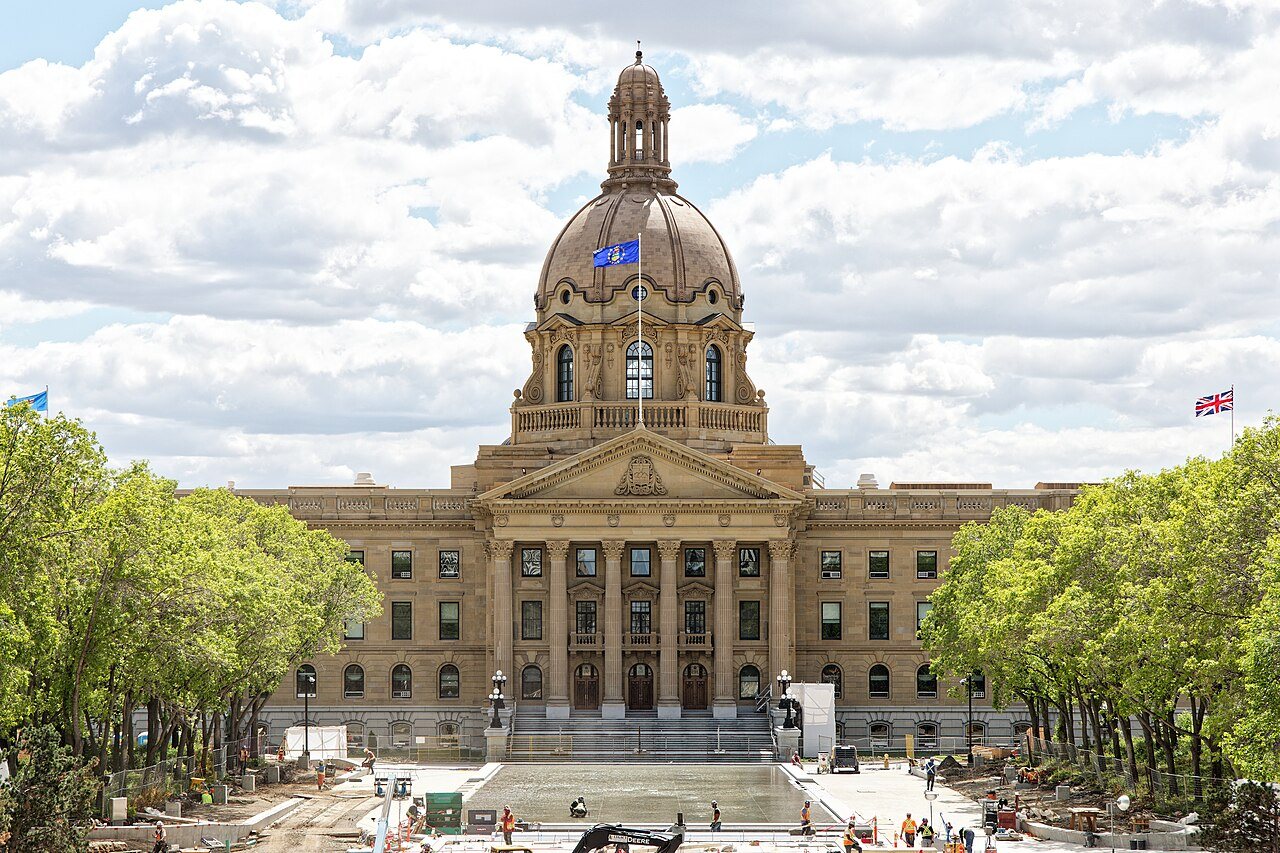
The Alberta government has proposed legislation that would give the province the power to remove municipal bike lanes and to block new ones from being built where they take road space away from vehicles. Transportation Minister Devin Dreeshen introduced the bill on Thursday. If it passes, no new bike lane that removes road space for vehicles could be installed without his approval, and the province could move to take out lanes that already exist.
Dreeshen said the proposal responds to concerns that some bike lanes reduce road capacity and parking, add to congestion and sometimes obstruct emergency vehicles. He said the province wants to work with Edmonton and Calgary to identify lanes that do not make sense. The bill would require municipalities to pay for any removals. Dreeshen said the government intends to use traffic assessments to identify problem lanes and that removals could be scheduled alongside road maintenance already planned, which he said would lower the cost.
Asked whether the province knows better than municipal governments on the issue, Dreeshen said he wants to collaborate with cities, counties and towns so that their road networks connect with the provincial highway system. He noted that the province's two largest cities have extensive budgets for bike lanes. He said he supports cyclists being able to move around Calgary and Edmonton, but added that bike lanes cannot cripple road capacity in either city.
Calgary Mayor Jeromy Farkas has spoken out against the province intervening and has said the government should focus on more important issues. Edmonton Mayor Andrew Knack said the legislation would make roads less safe, force property tax increases and undermine the voice of Edmontonians. « The legislation doesn't say you must own a car, but that's what it actually means, » Knack said. He questioned the purpose of local governments if provincial politicians want that level of control over local roadways.
Knack said bike lane networks in Edmonton were built by professional engineers and experts using evidence, and that removing lanes installed in the last decade could cost $150 million. He said detailed traffic information was provided to Dreeshen. After meeting with the government, Knack said he believed both sides were aligned on safety and affordability priorities, but said that « their words mean nothing to me anymore ».
If the bill passes debate in the legislature, it is expected to take effect in the spring. Opposition NDP Leader Naheed Nenshi told reporters the bill is another example of « unbelievable overreach » by the United Conservative Party government, arguing that it has little to do with bike lanes and is an effort to open another front in its culture war.
Tyrel Brochu of the advocacy group Paths for People told reporters at the legislature that the government's approach to traffic safety, including its earlier move to reduce photo radar, has been followed by more serious and fatal collisions. Heather Young-Leslie of the Bikeology Guild of Canada said the ability to ride a bike safely is a matter of personal choice, and that suggestions that cyclists should stay on side streets ignore the reality of using a bicycle as a main form of transportation.
The Alberta proposal follows a long dispute over bike lanes in Ontario. Premier Doug Ford's government sought to remove some Toronto bike lanes, arguing they caused congestion. A lower court judge blocked the plan as an unconstitutional risk to cyclist safety, but the Ontario Court of Appeal overturned that decision in August, saying the lower court had effectively created a right to bike lanes where none existed. Protests during work to remove a lane on one of Toronto's busiest routes led to four arrests last month. Dreeshen described the appeal ruling as a « win for common sense ». Cycling advocacy groups in Ontario have asked the Supreme Court of Canada to weigh in, and the province says removals and the restoration of vehicle lanes along Bloor Street West have already been completed.
22