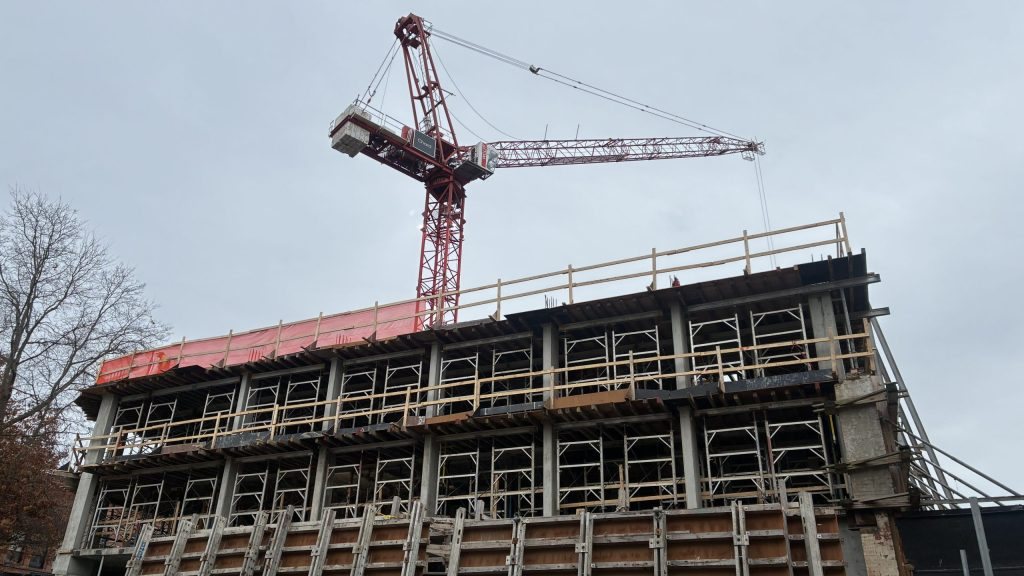
Housing experts are cautiously optimistic that the federal budget may improve affordability across Canada, but they warn that much of the plan will only work if Ottawa secures the cooperation of the provinces. Many of the proposals rely on provincial operating funds and policies, which means the federal government cannot deliver them alone.
The federal government has set a goal of ending homelessness within a decade. The budget proposes nearly $30 billion for transitional and supportive housing, mental health and addiction services. It also sets aside $5.5 billion to renew the Canada Housing Benefit, a rental assistance program, and aims to triple the number of non-market housing starts to 24,000 per year. Mortgage insurance changes are aimed at smaller-scale developments, which the government hopes will broaden the range of projects that get built.
On homelessness funding, Falvo, a researcher, grades the federal proposals “A-minus”. The plan includes $10 billion for about 25,000 new supportive and transitional homes nationwide. However, provinces and territories would bear the long-term operating costs, a point Falvo objects to, since those ongoing costs will shape whether the new homes can remain open over time.
Among the more specific financing measures is a 30-year insured mortgage option, which Pavlov, a finance researcher at Simon Fraser University, calls a significant measure. The longer amortization is limited to new builds and first-time buyers. New construction and pre-sales are also exempted from the foreign buyer ban, a distinction that separates new supply from the resale market.
British Columbia illustrates how dependent the federal plan is on provincial action. Hemingway of B.C. Policy Solutions warns that the province may backslide on affordable housing. The incoming B.C. Conservatives have pledged to roll back the NDP's density reforms, and Premier-elect Doerkson may repeal Bills 43 and 44. Those bills set municipal housing targets and allow small multi-unit housing on single-family lots, changes that would be reversed if the repeal goes ahead. Doerkson has not yet announced any specific housing commitments.
Hemingway also says that combining tax cuts with regulatory rollbacks may not add up fiscally, raising doubts about whether the province can afford a lighter-touch approach while still funding its own housing priorities. The tension between provincial policy choices and federal targets is therefore central to whether the national goals can be met.
Pavlov argues that the federal measures do not address provincial barriers to development, and says that rolling back provincial taxes and red tape could reduce the cost of building homes. Without changes at the provincial level, the federal budget may improve financing for some projects while leaving the broader obstacles to construction in place. For now, the outcome of the federal plan rests largely on decisions still to be made in the provinces and territories.
11