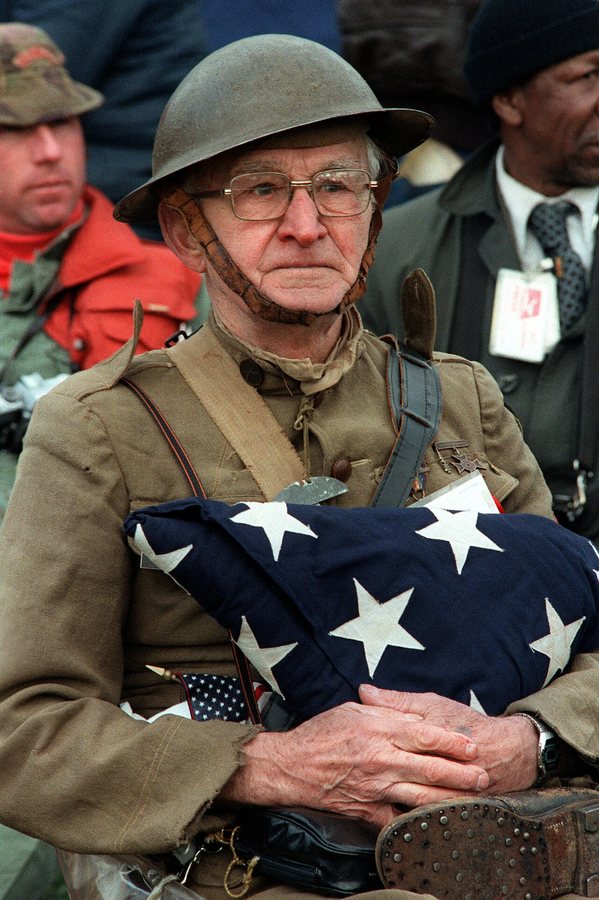
Veterans Affairs Canada estimates that 4,306 Canadian veterans of the Second World War and the Korean War are still alive, a sharp drop from the 5,649 estimated last Remembrance Day. The department describes the figure as an estimate rather than a precise count, so the true number of living veterans may differ from it.
The most recent breakdown by conflict dates to 2025, when the department estimated 3,691 surviving Second World War veterans and 1,909 surviving Korean War veterans. No separate breakdown was given for the 2026 figures, and the source material does not provide a split between men and women who served in either conflict. That gap means the current total cannot be divided between the two wars with the same confidence as the 2025 numbers.
The age of the surviving veterans underlines how quickly the group is shrinking. Most Second World War veterans are now at least in their late 90s, while Korean War veterans are in their early to mid-90s. Each year fewer people who served in those conflicts remain able to share their experiences in person, and the gap between the two cohorts' estimated numbers in 2025 and 2026 reflects that steady loss.
The estimates cover only two generations of service. The 2021 Census counted 461,240 living Canadian Armed Forces veterans, with a reported average age of 61. That population reflects a far younger group of former members, many of whom served in the decades after the Korean War, and it is not included in the Second World War and Korean War estimate. The contrast shows that the veterans community in Canada is not one uniform group but several cohorts at very different stages of life.
The figures were reported by The Canadian Press, published on Nov. 10, 2026, and carried by CityNews Montreal. The report appeared as Canadians prepared to mark Remembrance Day, a period when the federal government traditionally highlights the service and sacrifice of veterans of the world wars, the Korean War and later missions. For many Canadians, the release is a reminder that the living link to those conflicts is narrowing, and that the commemorations held in the coming years will increasingly rely on records, archives and the testimony already on file rather than on people who served.
4