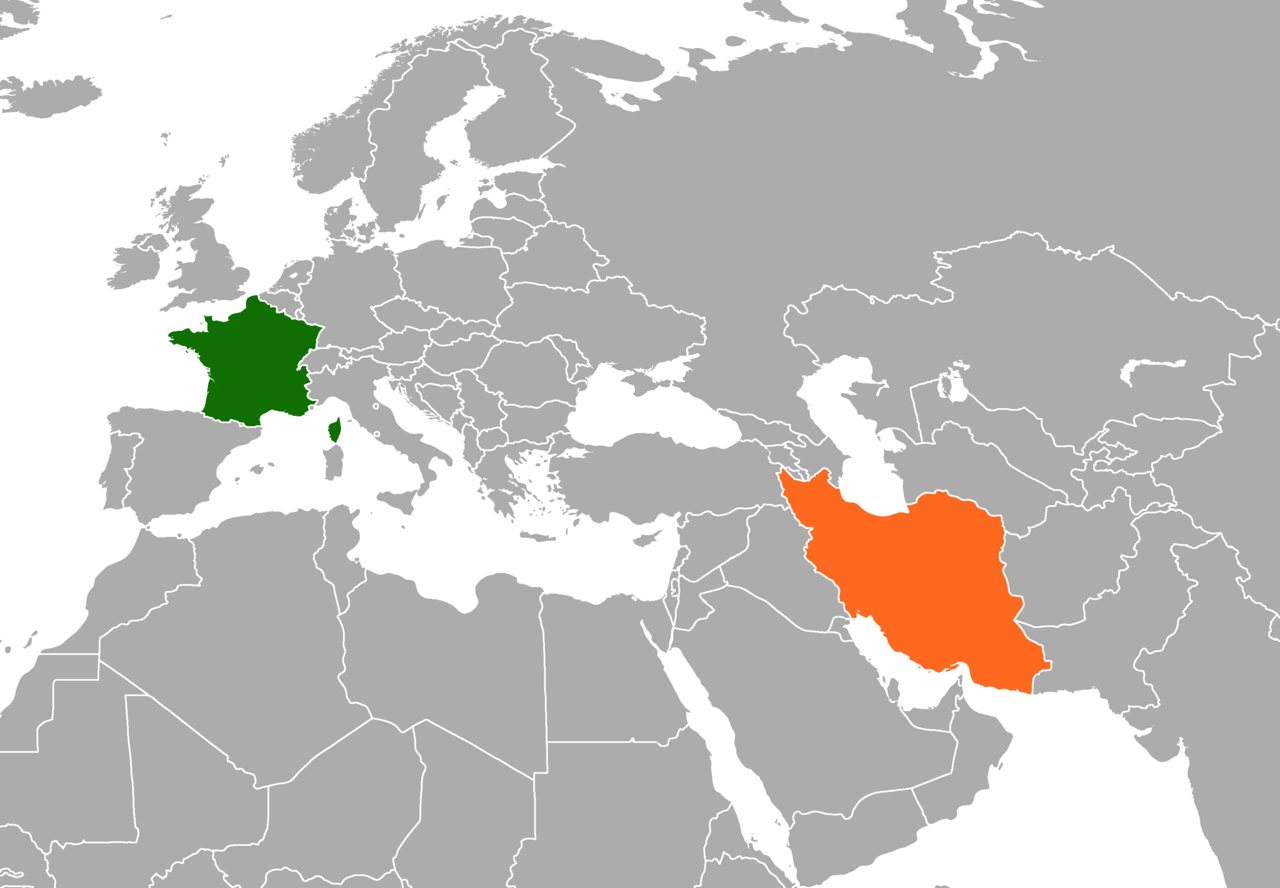
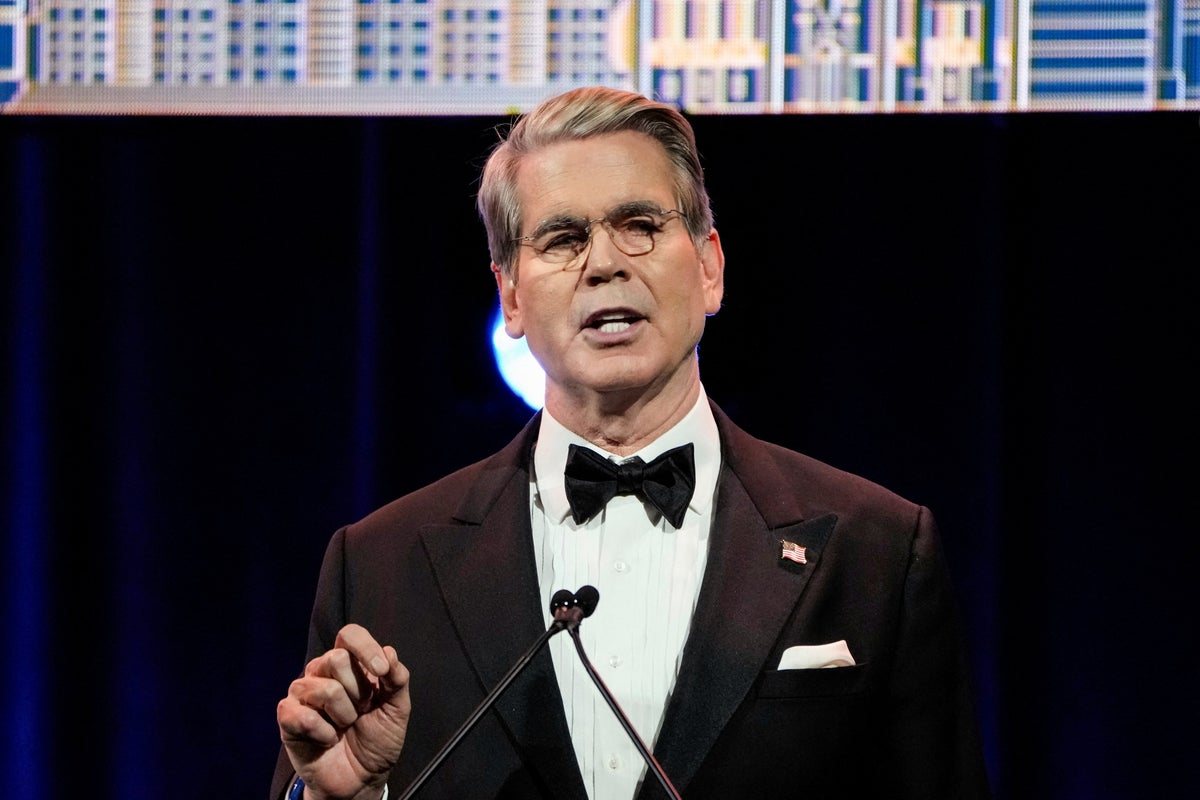
US Treasury Secretary Scott Bessent has reportedly moved to a military base for safety reasons, according to people familiar with the matter who were not named in reporting published on Tuesday. The relocation follows reported threats against his life that were linked to Iran, a country whose government has been the target of economic pressure in which Bessent has played a central role.
According to the reports, the threats are connected to Bessent's work on sanctions and economic measures directed at Tehran. Any Iranian involvement in the threats is described as alleged rather than confirmed, and the reporting does not establish who may have been behind them or how credible investigators considered the danger to be. The threats are described as tied to his role in the economic pressure campaign rather than to any personal dispute, though the sources did not provide further detail on the nature of the warnings or when they were first received.
The base is reportedly located in the Washington, DC area, although the exact installation, the timing of the move and the security arrangements around it remain unclear. The core claims rest on anonymous sources, and independent confirmation from officials is not part of the available reporting. Neither the Treasury Department nor the White House has been quoted in the material available on the specifics of the threats, the security response or the decision to relocate.
The story has also drawn attention to the Treasury Secretary's family home, which is reportedly valued at around $12 million. A photograph of the property was reported to have exposed its location, prompting concern about the security of Bessent and his family. The reports did not detail how the image came to be published, who took it, or whether any steps were taken to remove it or to alter the property's security measures in response.
The concern over the photograph illustrates a broader difficulty facing senior officials and their families: a single image shared online can reveal a residence that is otherwise protected by private and government security arrangements. Cabinet-level officials typically receive protection from federal agencies, and the reported move to a military facility would represent an unusual step, though the reporting does not say whether it reflects a standing security protocol or a temporary measure in response to a specific threat.
Some news organizations covered the development with less detail and sourcing than others, and in several respects the public record remains incomplete. The available material does not indicate whether the threats have been referred to law enforcement or intelligence agencies, nor whether any charges or investigations have been announced. Readers should treat the account as unconfirmed until official statements are issued.
The episode underscores the heightened security concerns that can surround senior members of the US government when tensions with another state are running high, particularly where a cabinet official is directly associated with sanctions policy. Bessent, who serves as Treasury Secretary, oversees the department responsible for administering many of the economic measures the United States has imposed on Iran, which places his office at the centre of the policy debate.
1