
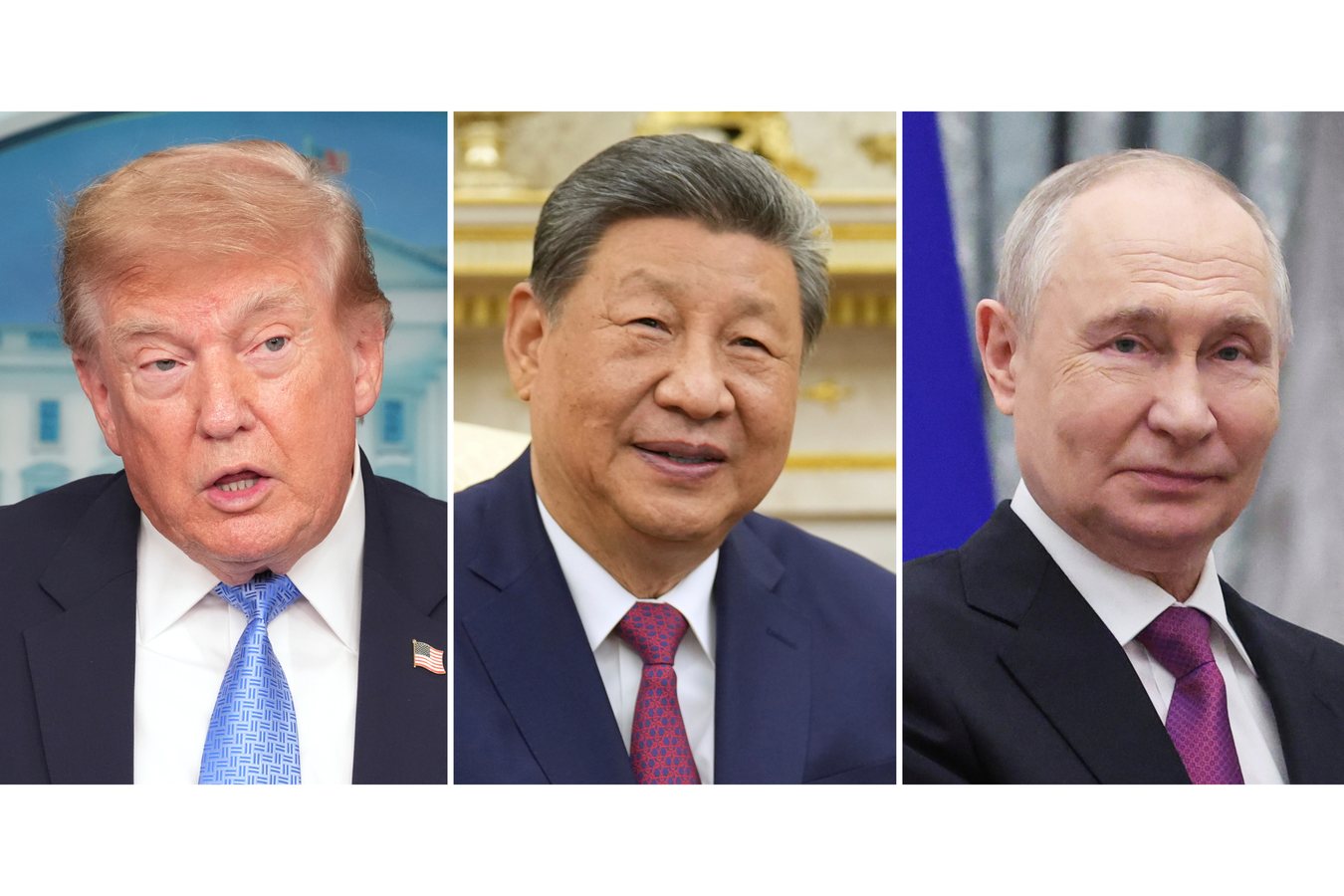
Leaders of the United States, China and Russia are planning to meet on Thursday in Shenzhen, in southern China, alongside the summit of the Asia-Pacific Economic Cooperation (APEC), which includes 21 economies. The White House reported the meeting plans on Friday. If it takes place, it will be the first meeting of the leaders of the world's three largest nuclear powers.
Expectations for the summit, according to analysts, are low. They anticipate that its main outcome will be symbolism rather than concrete agreements. According to one U.S. official, no deals are likely to be announced. It is unclear whether the negotiating meeting will produce even one specific breakthrough.
U.S. President Donald Trump reportedly intends to raise the issue of the U.S. war with Iran. He also seeks to reach a trilateral agreement on nuclear arsenals. At the same time, according to a U.S. official, Ukraine is likely to be sidelined in the talks.
The backdrop for nuclear arms negotiations is difficult. The Treaty on Measures for the Further Reduction and Limitation of Strategic Offensive Arms (New START) expired in February, and with it the limits on the number of U.S. and Russian warheads disappeared. The Russian side proposed extending the treaty by another year, but Trump rejected this proposal. He wants a new agreement that would also include China.
China is estimated to have more than 600 warheads, while the United States and Russia each have more than 5,000. Beijing has shown little interest in a nuclear agreement, which complicates the idea of a trilateral format. Analysts note that China's position remains the main unknown for any future arrangements.
Personal relations between the leaders have their own history. Trump grew closer to Xi Jinping after the 2025 trade truce. According to the figures cited in the materials, Xi and Putin have met more than 40 times since 2013. Trump and Putin have met seven times, most recently in Alaska in August 2025. Trump and Xi have held eight in-person meetings, including during Xi's visit to Washington in September.
China is Russia's largest trading partner and supplies it with key technologies. At the same time, Beijing officially maintains a neutral position on Russia's war against Ukraine, which has lasted almost five years. This dual role, according to assessments, makes China one of the most important players in any negotiations surrounding the war.
Ukrainian President Volodymyr Zelensky is reportedly concerned that the meeting could push Kyiv out of the negotiations. Recall that Trump approved an agreement with Russia on the supply of diesel fuel with a temporary exemption from sanctions. Such decisions, observers say, reinforce Ukraine's fears about how Washington views the Russian side.
Analysts also believe the summit could overshadow APEC, the main forum for discussing trade in the region, and undermine China's image as a champion of free trade. Whether the meeting will produce a concrete result remains an open question.
45