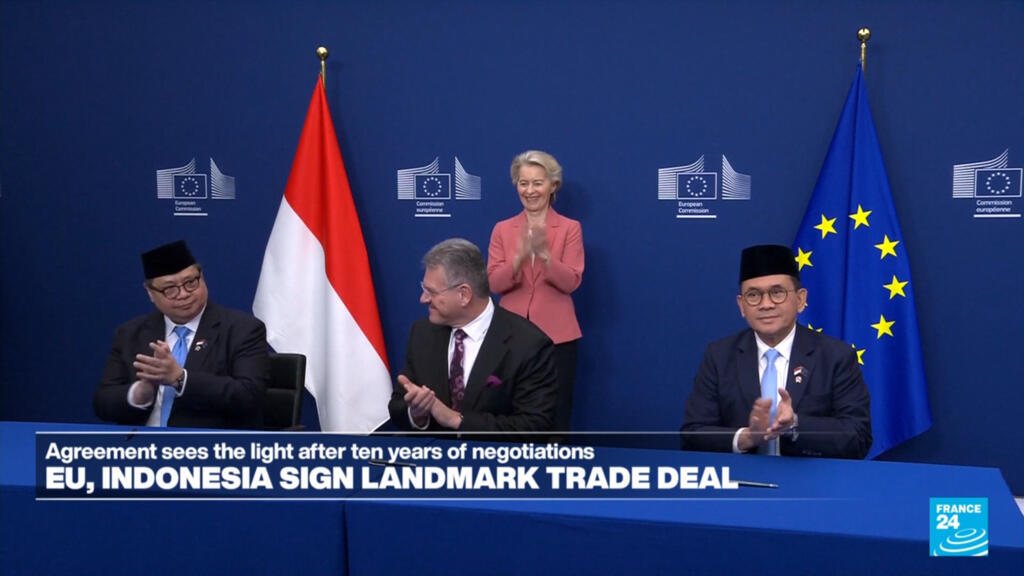

Canada has concluded negotiations on two new free trade agreements, one with the Philippines and one with the Association of Southeast Asian Nations, known as ASEAN. The announcement, issued by the Office of Prime Minister Mark Carney, is aimed at expanding access for Canadian businesses to a combined market of more than 700 million people across the region.
The agreements are intended to give Canadian firms greater reach among Southeast Asian consumers and companies. By concluding talks with both the Philippines and the ASEAN bloc, Ottawa is seeking to strengthen its commercial presence in one of the fastest-growing regions in the world, with a population large enough to represent a significant export opportunity for goods and services produced in Canada.
The Prime Minister's office has presented the outcome as a step toward broader economic engagement in Asia. The announcement describes the deals as a means of improving market access for Canadian businesses, which is the central stated purpose of both negotiations. Trade agreements of this kind typically address tariffs, rules of origin and the treatment of investment and services, though the release did not set out the specific provisions for either deal.
Several important details remain unconfirmed. The announcement does not state when the agreements will be ratified or take effect, nor how quickly their provisions would be implemented. Tariff schedules, the sectors most affected and any transitional arrangements were also not included in the material released, so the practical benefits for individual exporters, from Alberta and Ontario to the Atlantic provinces, cannot yet be measured.
For people in Canada, the agreements matter chiefly through trade, investment and employment linked to exports. Businesses in provinces with strong export sectors could be affected as the terms become public and are put into force. Further information on the full texts, the approval process in Ottawa and the response from the governments of the Philippines and ASEAN member states is expected as the agreements move forward.
19