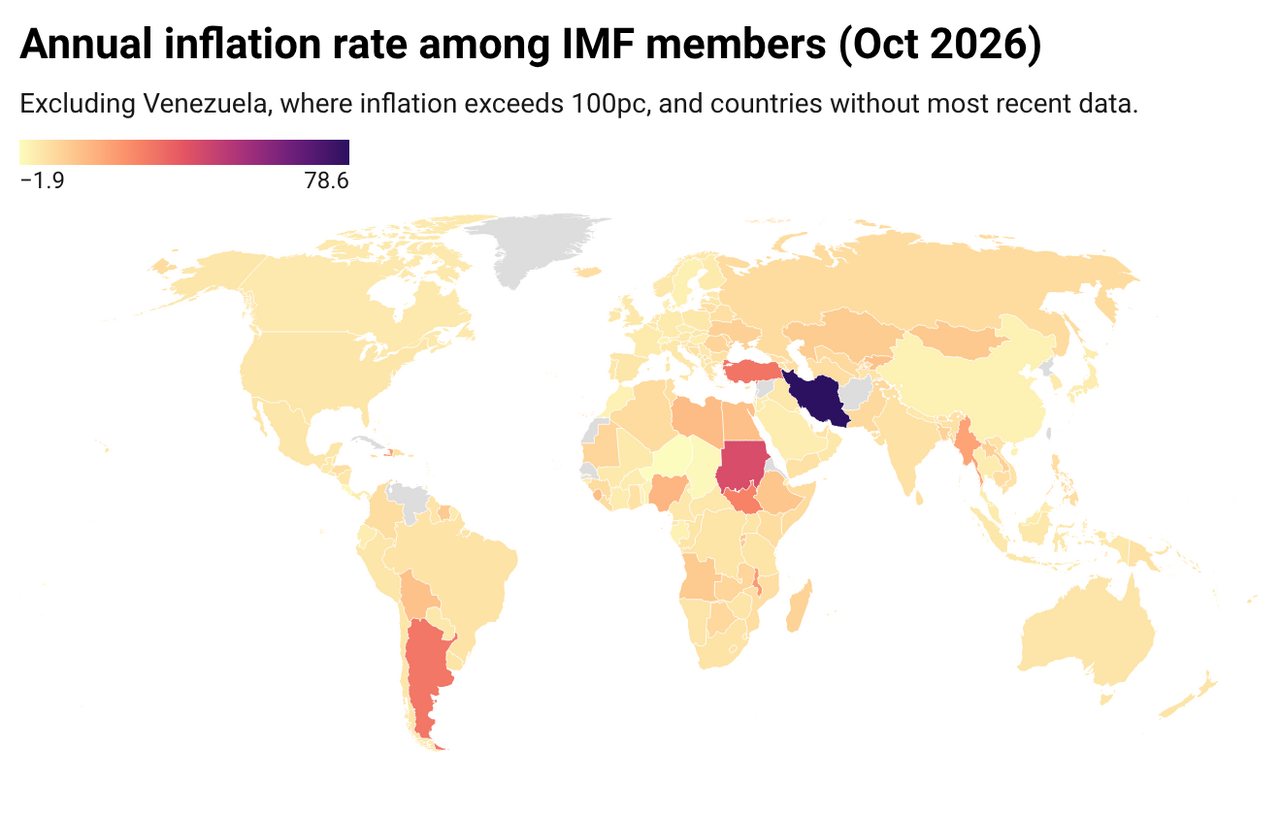
Canadian inflation is expected to edge higher in October, with a Reuters poll projecting an annual rate of 3.2 per cent, up from 3.1 per cent in September. Statistics Canada releases the official October figures today. The poll is an estimate, and the actual number will not be known until the agency publishes it.
Elevated energy prices remain the main force pushing inflation up. Gasoline has been the most visible part of that pressure at the pump, but analysts are watching whether the cost increases are spreading beyond fuel into other parts of the consumer basket. If they do, households would feel the increase across a wider range of goods and services rather than only when they fill up their vehicles. That broader spread is the key question for today's release, because it determines whether the current pressure is contained or becoming more general.
Economists are divided on what comes next. Some expect higher costs for businesses to feed through to consumer prices, as companies pass on what they pay for energy and other inputs to their customers. Others argue that weak demand may limit firms' ability to raise prices, since shoppers who are cutting back leave companies less room to increase what they charge. In that view, the same energy costs that squeeze businesses could end up absorbed in their margins rather than handed to households.
The inflation figures arrive against the backdrop of a Bank of Canada decision in October. The central bank raised its key interest rate, its first increase in more than three years. That move marked a clear shift after a long period in which borrowing costs were not being raised, and it changes the calculation for households carrying variable-rate debt and for businesses planning investment. The bank has also signalled that further rate hikes may follow, a message that will be read closely alongside today's data, since a higher inflation reading would strengthen the case for continued tightening.
The consumer price index is the measure Statistics Canada uses to track the prices of goods and services that households buy. It captures a broad basket of everyday purchases, so changes in the index show how price movements affect household purchasing power, meaning how much a given income can buy over time. For Canadians, a higher reading means their paycheques stretch less far, particularly for everyday necessities, and it also shapes how the central bank judges whether its policy is working.
Several questions remain open until the figures are published. The October number itself is not yet known, and the 3.2 per cent projection is only a forecast drawn from a poll of economists. It is also unclear whether energy costs will broaden into the wider price level or whether softer demand will keep other prices in check. Today's release should give a clearer picture of whether the current pressure is confined to energy or is beginning to reach the broader economy, and that answer will shape expectations for the bank's next decisions.
32