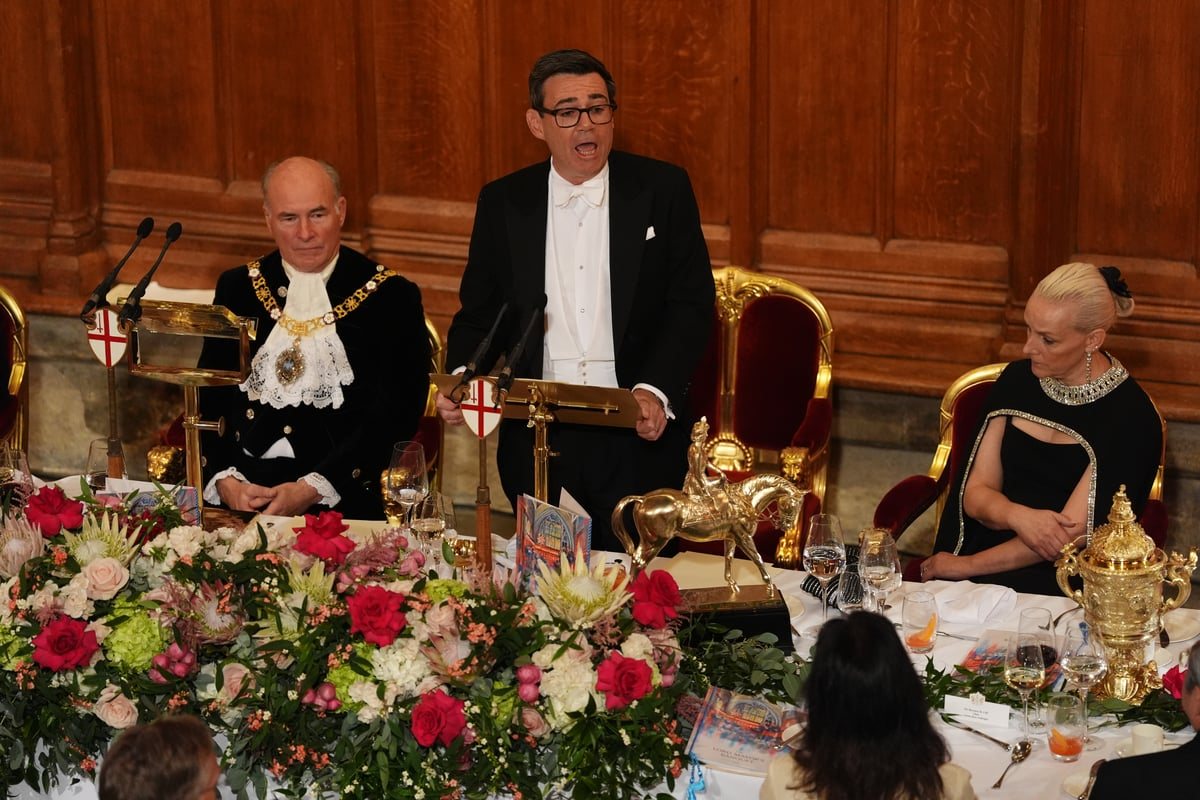
Andy Burnham has said that Brexit "has not worked" and that Britain has lost more than it has gained from leaving the European Union. Speaking on Monday in London's financial district on foreign policy, he called for a frank national debate about the costs of Brexit, which he said others in politics have avoided, and set out three tests that any new deal with the EU would need to pass.
The remarks mark a clear break from the approach taken by his predecessor, Keir Starmer, to Britain's relations with the bloc. Burnham said any agreement must respect Labour's red lines, set out in the party's 2024 general election manifesto and binding until the next general election in 2029. Those red lines rule out rejoining the customs union, rejoining the single market and restoring freedom of movement. Within those limits, Burnham wants to improve on the existing Brexit deal struck by the Conservative government and concluded in 2020, when Britain formally left the EU bloc.
The immediate test comes on Friday, when leaders are due to meet at an EU summit in Brussels. The summit was postponed from July after Starmer resigned. The areas expected to be discussed include reducing border checks on food and farm goods, and making it easier for young people to work and live abroad in EU countries. The stated aim is to lower costs for consumers in the short term, particularly on everyday groceries.
It remains unclear whether the Brussels meeting will produce agreement on food and youth mobility. It is also uncertain how far Burnham's wider reassessment of Brexit will go beyond those specific measures. His speech sets out a direction rather than a finished negotiating position, and the practical scope of any change will depend on what European leaders are prepared to accept within Labour's stated constraints.
Britain voted to leave the EU in the 2016 referendum, and the withdrawal took effect in 2020. The trade and mobility arrangements that followed have been the subject of continued debate since then, with businesses, farmers and young people among those most directly affected by border paperwork, checks and the end of free movement. Burnham's comments return the question of Britain's relationship with its largest neighbouring bloc to the centre of the political agenda, at a time when the government is seeking to show voters tangible improvements in living costs.
17