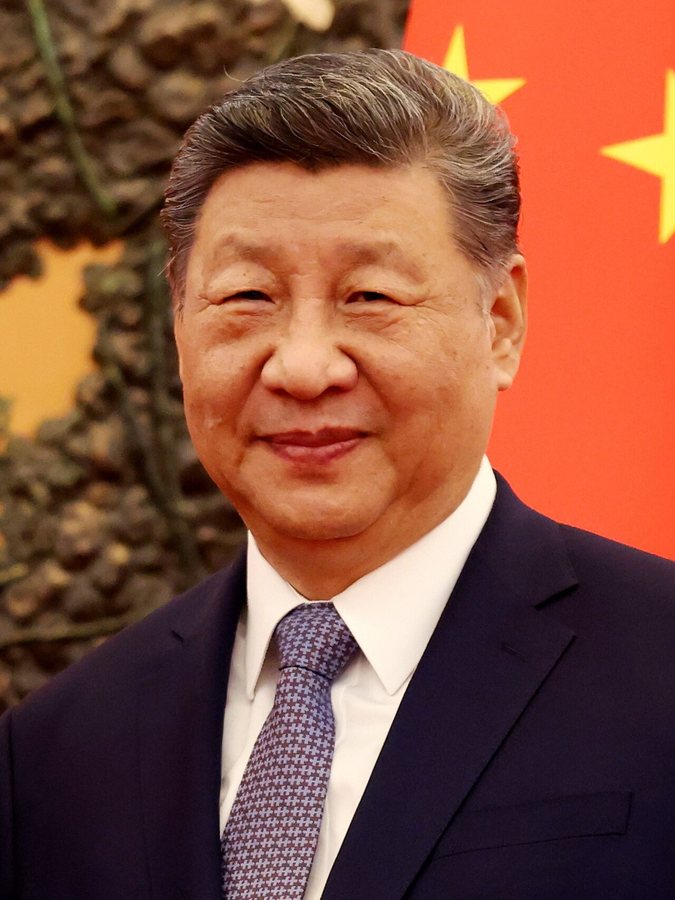
Prime Minister Mark Carney and Chinese President Xi Jinping agreed to drop trade restrictions on more goods during a bilateral meeting in Shenzhen, China, a move the pork sector welcomed as a significant step toward restoring market access lost during years of diplomatic strain between the two countries.
Carney told Xi that the two countries “can work together more broadly, pragmatically to solve problems,” shortly before announcing a further relaxation of market access for certain goods. The meeting took place in the city, which hosts the Asia-Pacific Economic Co-operation summit, during what was Monday evening in Canada. Xi commended Carney for progress in the relationship and said both countries benefit when they focus on shared goals while setting aside differences, a framing that has alarmed human rights activists.
Under the arrangement, the leaders agreed to expand the list of goods covered by an extension of a trade deal reached earlier this month. That extension removes a 25 per cent Chinese tariff on Canadian exports of frozen pork cuts and frozen cold-water shrimp. Greenland halibut, some mollusks and sea cucumber were also added. Carney’s spokesperson said the changes represent roughly $400 million in Canadian exports annually.
In return, Ottawa said it would expand remissions coverage to 32 more steel and aluminum items from China, including 23 steel products and nine aluminum goods for which supply in Canada is either insufficient or unavailable. China also agreed to open market access for Canadian fava beans, chickpeas and lentils, and the two sides will work toward an agreement on pet food and wild aquatic products by the end of the year.
The January meeting between the two leaders marked the first trip to China by a Canadian prime minister in more than eight years. Canadian trade data suggests exports to China have surged 40 per cent since that meeting, with increases in oil, canola and peas among the affected products. Carney has also pursued expanded trade in agriculture, energy, financial services and autos, and said “much has been achieved since my visit.”
Parliamentary secretary Kody Blois said the announcements would be felt across the country, from Nova Scotia lobster harvesters to Canada Goose factories in Winnipeg and Quebec. He acknowledged that the two countries will disagree on some issues, but said the government’s approach is to find ways to co-operate and create benefits for Canadians. Blois also said the deal does not improve access for canola oil, which still faces an import duty, though he described it as a smaller priority that continues to be pursued.
The Canadian Meat Council welcomed the wider access for pork but noted that offal remains blocked. Chief executive Kyle Larkin said he hoped for a full return of the market access Canada lost in recent years, pointing to the appetite in China for cuts that are less popular with Canadian consumers.
The relationship soured during the tenure of former prime minister Justin Trudeau, including over Canadian accusations of Chinese foreign interference, which Beijing has denied. Carney said before leaving Canada that he would raise the issue with Xi. Ottawa has also set clear limits on the talks, barring work in sensitive sectors such as critical minerals and artificial intelligence, and Carney said further Chinese investment in Canada’s auto sector depends on ongoing trade talks with the United States.
15