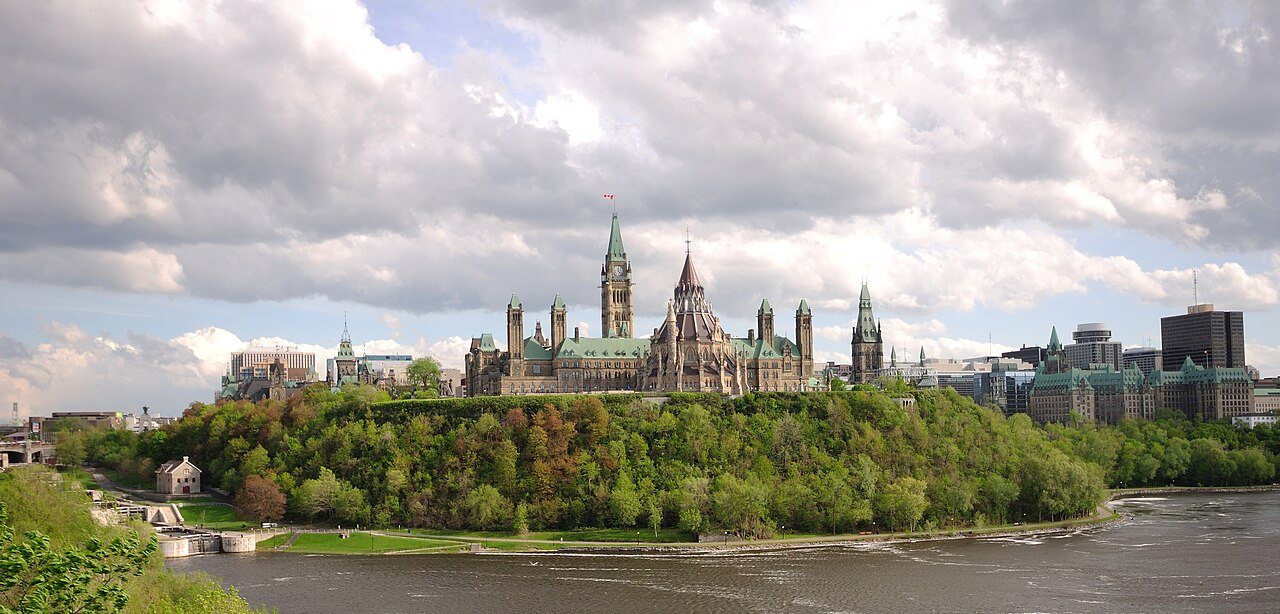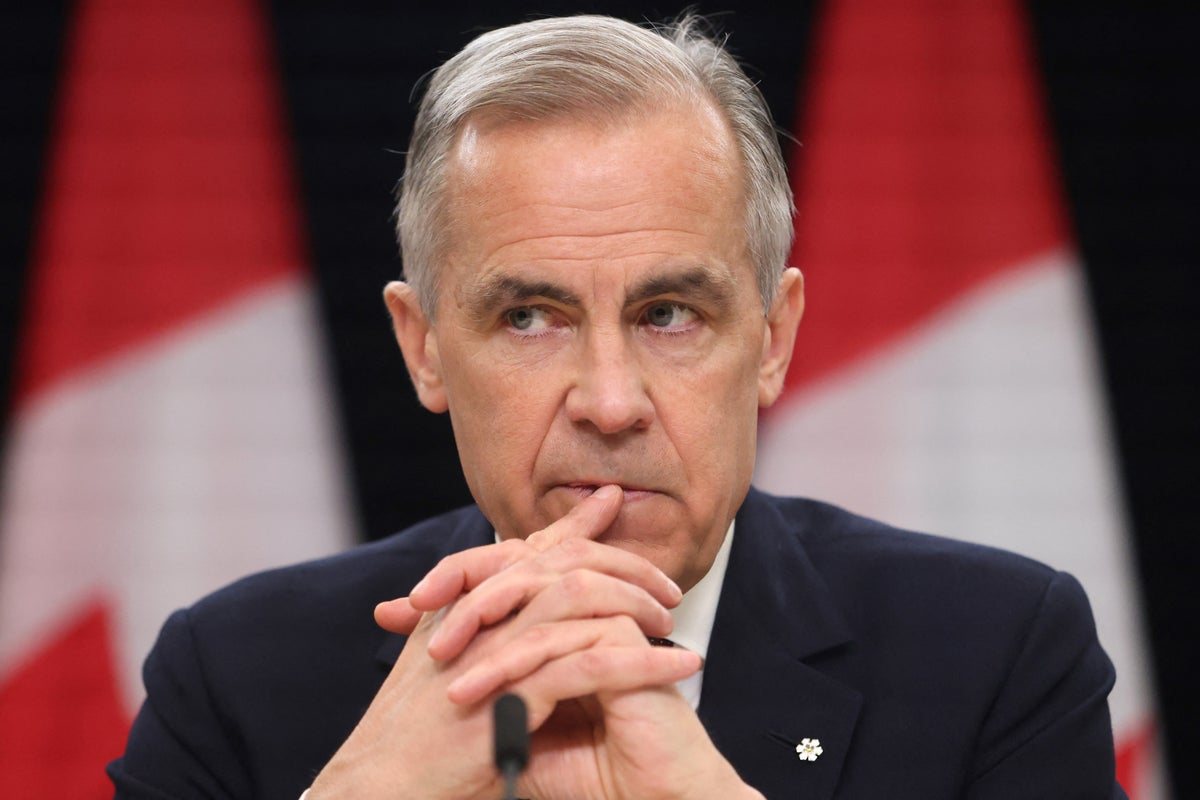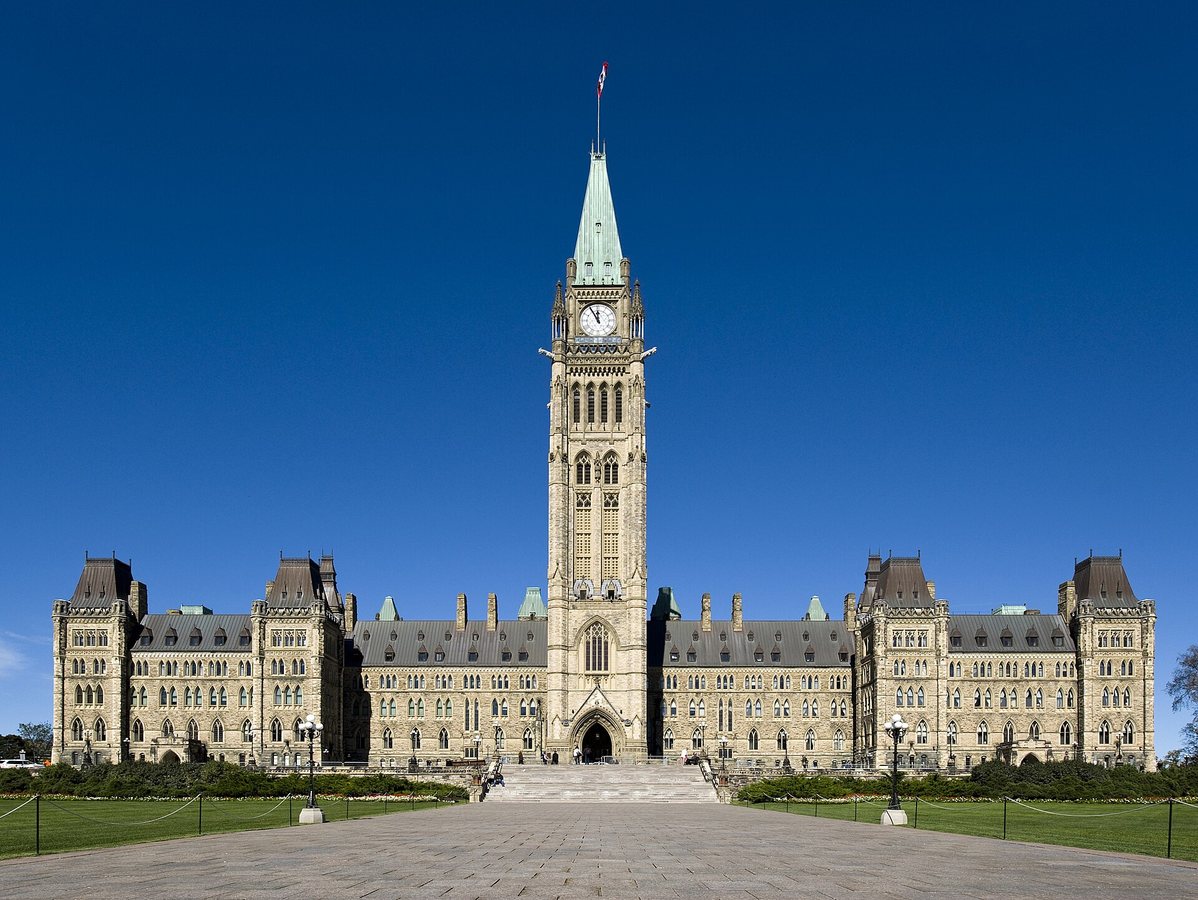
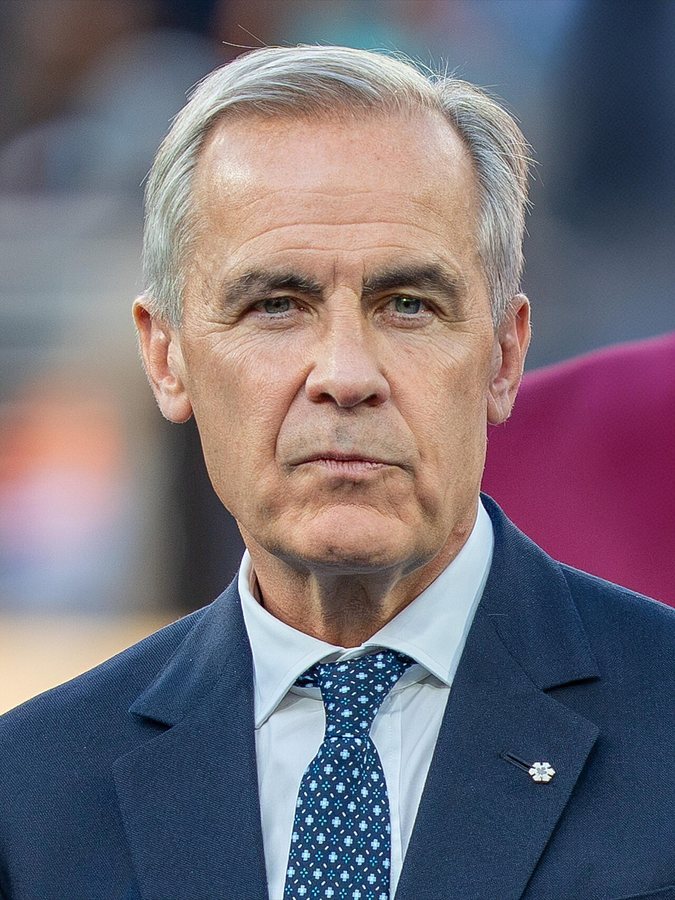
Prime Minister Mark Carney leaves Ottawa on Wednesday, following a Remembrance Day ceremony, for a multi-stop international trip that takes him to Ireland, the Philippines, Cambodia and China. The tour places Canada at the centre of several overlapping diplomatic tracks at a time when trade, security and relations with the United States, China and Russia are all under close scrutiny. Carney is expected to return to Ottawa on November 19.
The first stop is Dublin, where the European Political Community summit takes place on November 12. Canada is the only non-European country taking part, a position it also held when Carney attended a previous EPC meeting in Armenia in May. The forum has met roughly every six months since 2022, and the discussions cover politics, security and infrastructure cooperation. Carney's visit also keeps alive the question of whether Canada could become an associate member of the European Union, a possibility whose details remain undefined.
From Ireland, the trip moves to Manila, where the ASEAN summit runs from November 15 to 18. Canada has been invited as a guest to the bloc, which has 11 members. Two trade agreements are close to being finalized, one with the ASEAN bloc and one bilateral agreement with the Philippines, and Carney may sign one of them during his visit. He is scheduled to meet President Ferdinand Marcos Jr. and other ASEAN leaders. An analyst has noted that the extent of Canada's engagement in the region remains a subject of debate at home.
Carney then travels to Phnom Penh for the Francophonie summit, held from November 14 to 16. He is scheduled to address chief executives at a FrancoTech event, and the summit will elect the next leader of the organization. Canada will host the following summit in 2028 in the Ottawa area. Quebec Premier François St-Pierre Plamondon is also attending the Cambodian gathering.
The final leg is Shenzhen, which hosts the APEC summit on November 18 and 19. Carney is set to meet Chinese President Xi Jinping on Tuesday ahead of the forum. U.S. President Donald Trump, Xi and Russian President Vladimir Putin are all expected at APEC, and European governments have expressed concern about the war in Ukraine being discussed on the margins. A recent arrangement between Ottawa and Beijing eases access for Canadian canola meal and lobster in exchange for relief on steel and aluminum measures.
The trip has drawn partisan reaction at home. Conservatives argue that the agreements delivered little and that the travel distracts from affordability concerns facing Canadians. Liberals counter that direct meetings with national leaders are essential to diversifying Canada's trade relationships beyond its largest partner.
7