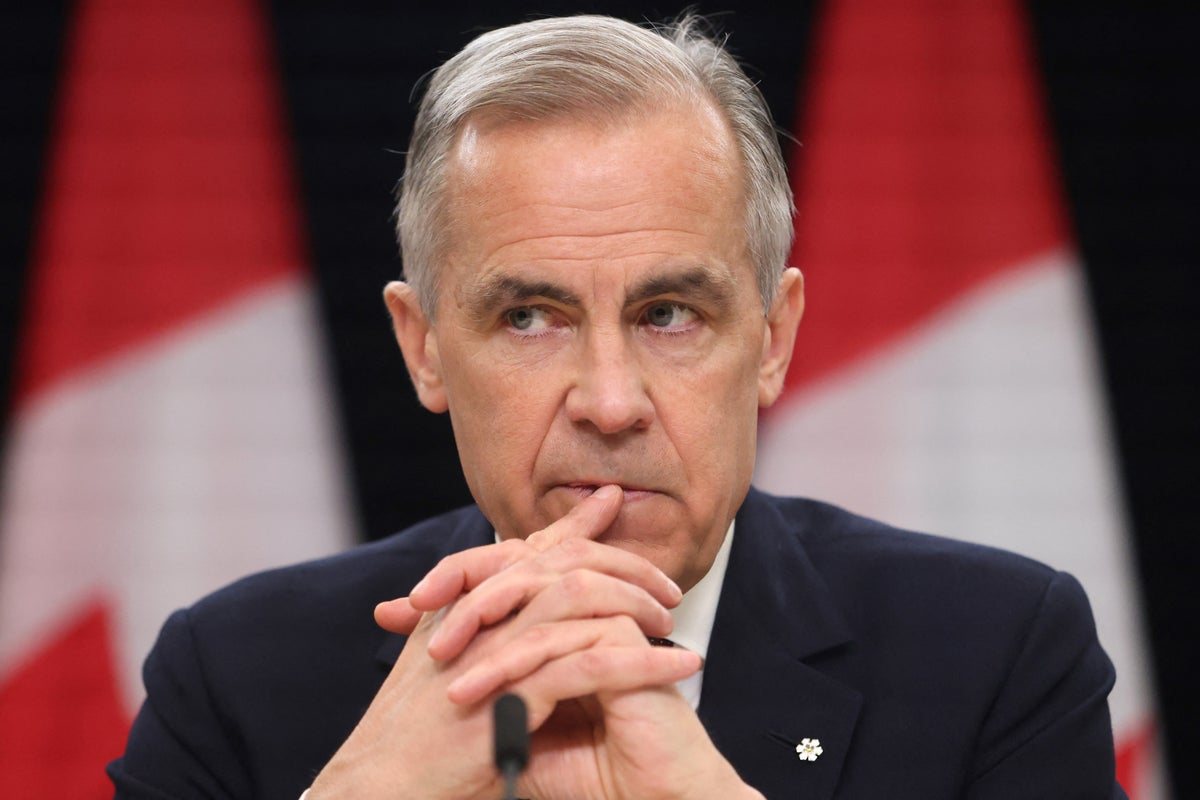
Prime Minister Mark Carney is facing a dilemma after a setback for Donald Trump's Republicans in the United States midterm elections, a result that could change the political terrain for the trade relationship between Ottawa and Washington.
Tariffs on Canadian exports became a major issue in the midterm campaign. Democratic candidates blamed the duties for higher prices for American consumers and pledged to oppose them. The political pressure on the tariff policy that the Trump administration has pursued against its largest trading partner was therefore visible in the campaign itself, not only in negotiations between governments.
The implication for Canada is that the leverage Washington appeared to hold may have been weakened ahead of any new trade talks. A president whose tariff agenda has become a source of voter discontent has less room to present it as a settled priority, and Canadian officials may read the results as a sign that the American political debate on trade is shifting. The reporting frames the midterms as a test of whether voters would accept the economic costs that the tariffs were said to carry for ordinary households.
The consumer-price argument proved to be the point of greatest pressure for the Democrats. By linking the duties to the cost of everyday goods, opposition candidates turned a trade policy debate into a question about household budgets, a framing that gave the issue reach beyond party activists and into the concerns of voters who rarely follow tariff negotiations closely. For Canada, that shift matters because the goods most exposed to cross-border duties are the same goods that move in large volumes between the two countries.
It remains unclear how Mr. Carney will respond to the changed political situation in Washington. The available reporting does not indicate whether he intends to press for a new arrangement, wait for the outcome of the next phase of American politics, or adjust Canada's position in other ways. Nor is it clear whether the trade relationship between the two countries will shift in the period after the midterms. Without that detail, the most that can be said is that the Canadian government now has to weigh a changed American political environment against its own priorities, with no confirmed signal yet of which course it will take.
For people in Canada, the question is practical. Tariffs on Canadian exports affect sectors that depend on the American market, and the direction of American trade policy bears directly on jobs, prices and investment in provinces whose economies are closely tied to cross-border trade. Any change in Washington's approach would therefore be felt well beyond the federal capital, and the government's next steps will be watched closely by businesses and governments across the country, from the manufacturing and resource regions to the communities that depend on trade flowing across the border.
6