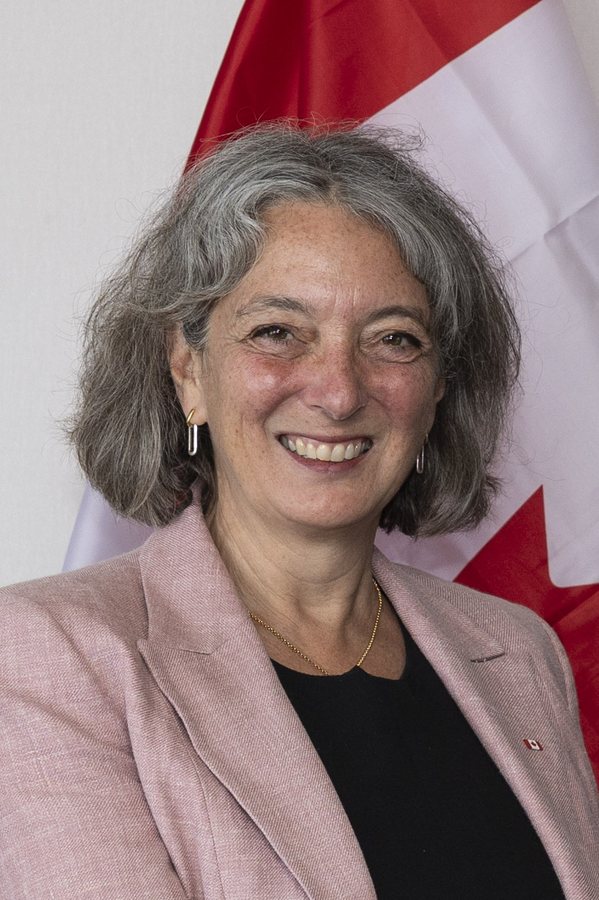
Former federal environment ministers Catherine McKenna and Steven Guilbeault have accused Environment Minister Julie Dabrusin of misleading Canadians after she said Canada remains committed to its Paris Agreement targets. Dabrusin made the remarks while attending COP31 in Antalya, Turkey, where she spoke with The Canadian Press.
McKenna said Canada has zero chance of meeting its 2030 Paris commitment. Guilbeault argued that the minister's claim contradicts the government's own modelling and reporting. Both served under the Trudeau government, which raised the national target to a reduction of 40 to 45 per cent below 2005 levels by 2030 and committed Canada to net-zero emissions by 2050. The criticism therefore goes beyond a difference in political emphasis: the former ministers are pointing to the gap between a stated commitment and the government's own projections.
The latest federal figures show Canada's emissions in 2024 were only 10.3 per cent below 2005 levels. Over the past 21 years, emissions have fallen by 78 million tonnes, the smallest reduction of any G7 country. The Canadian Climate Institute has modelled that Canada is unlikely to reach net-zero by 2050 on its current path, a finding that places the long-term goal under the same pressure as the 2030 target.
Environment and Climate Change Commissioner Jerry DeMarco projects that emissions will fall by 28 per cent below 2005 levels by 2030. That projection reflects a series of federal policy rollbacks over the past 18 months. The changes cited include the removal of the consumer carbon price, the cancellation of the two-billion-tree planting program, and the decision to set aside the oil and gas emissions cap. The government has also weakened the industrial carbon price and altered the electric vehicle mandate and low-carbon fuel procurement.
Prime Minister Mark Carney said in June that emissions are likely to rise in the coming years. He has described the climate policies of the Trudeau era as too expensive and divisive. Those remarks, made months before the Antalya meeting, set out the government's position that its approach differs from its predecessor's. Dabrusin's statement at COP31 now stands against that earlier admission, and it is that contrast that the former ministers have seized upon.
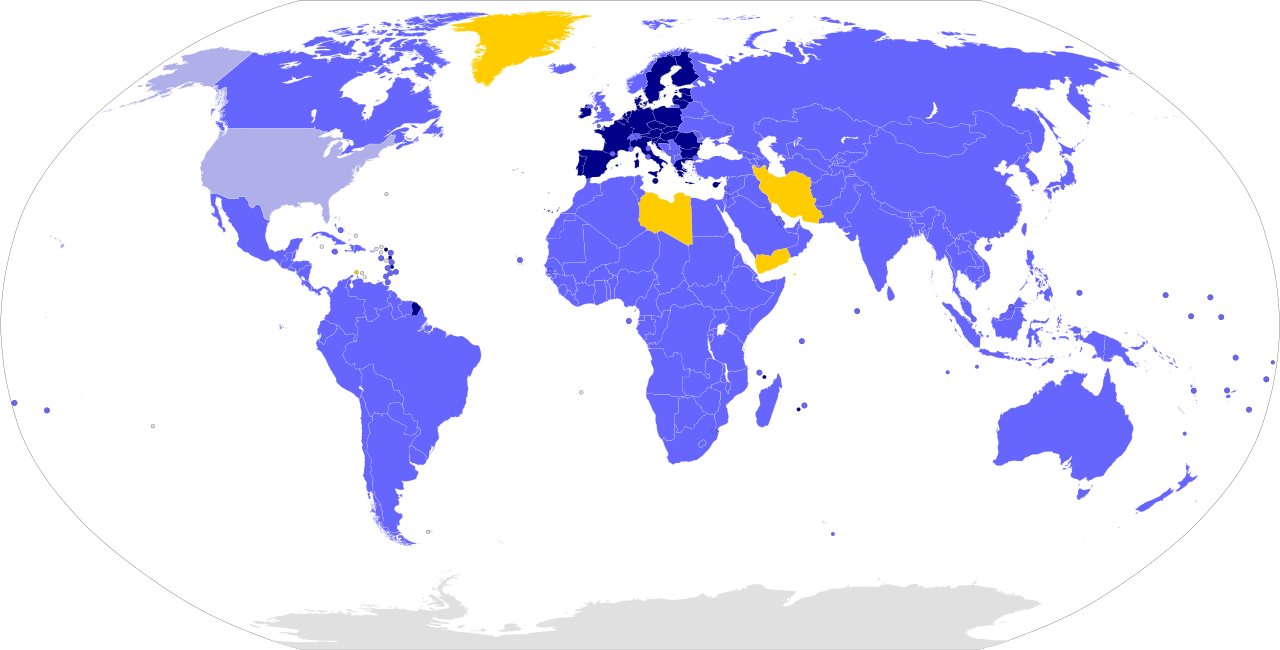
The 2030 benchmark traces back to the Paris Agreement, which Canada ratified in 2016. Under the previous Conservative government of Stephen Harper, Canada had set a goal of reducing emissions 30 per cent below 2005 levels by 2030, a target the Trudeau government later strengthened. On the current trajectory, Canada falls short of the Harper-era 30 per cent benchmark as well as the Trudeau-era goal of 40 to 45 per cent, a point that applies across the political spectrum of the last decade.
21