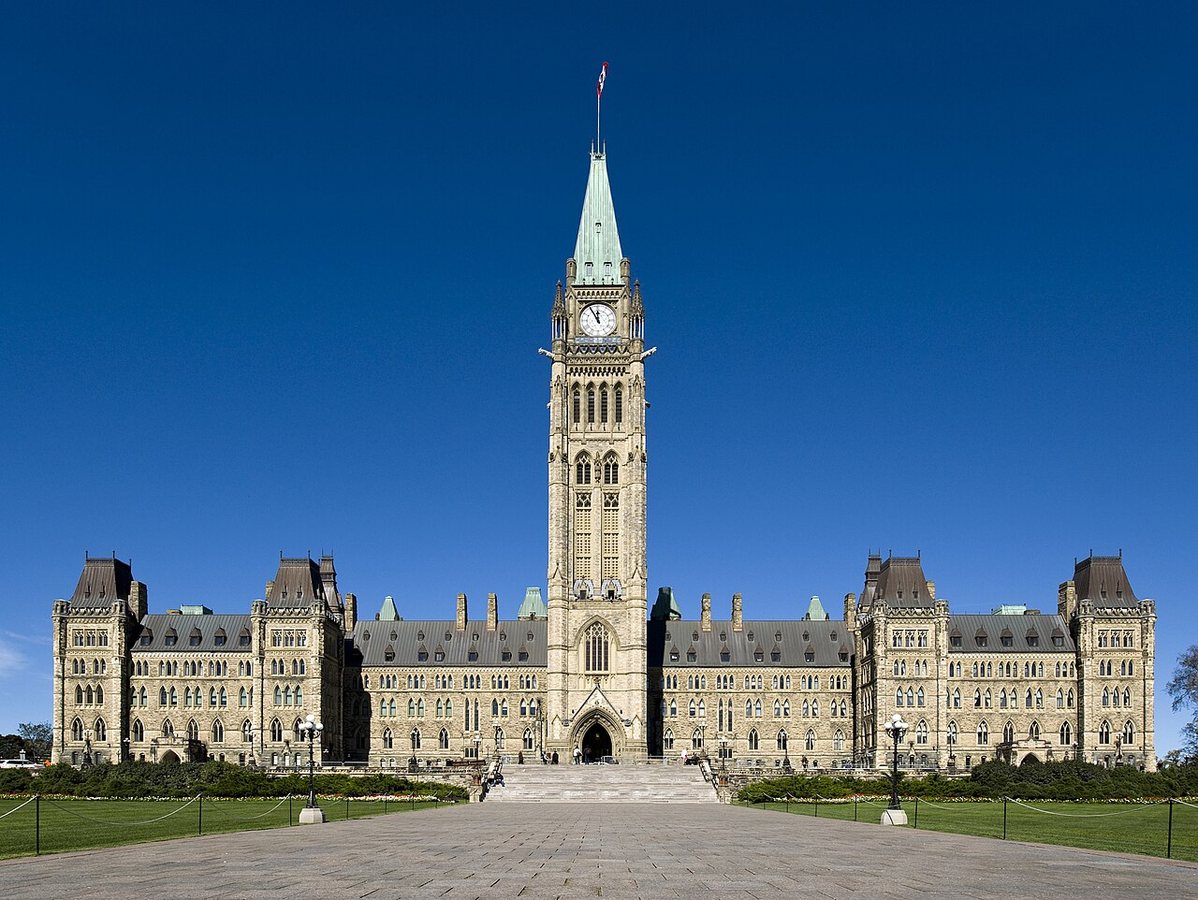
The federal Liberals are expected to face a vote in the House of Commons today on their 2026 budget, a spending plan that proposes billions of dollars in new borrowing and tax measures. The government's central aim is to stimulate infrastructure construction and other capital projects across the country.
The budget was tabled on November 5. Because the Liberals now hold a majority of seats in the Commons, the government is in a position to pass much of its agenda without the support of other parties. That arithmetic gives the vote a different character from a budget that must be negotiated with opposition members to survive.
Finance Minister François-Philippe Champagne has defended the plan as a response to an uncertain moment. He argues that Canada's relatively strong fiscal position allows the government to invest in the country's future rather than retrench. In his framing, the borrowing is a deliberate choice tied to building capacity for the long term.
Conservative Leader Pierre Poilievre has been critical of the scale of the proposed borrowing, and has spoken against the level of debt the budget would add. His party is positioned to press that argument in the chamber during debate and in the vote itself.
NDP Leader Avi Lewis has taken a different line of criticism. He argues that the Liberals are catering to big business with their latest spending plan, a charge that frames the budget as tilted toward corporate interests rather than broader public needs. The New Democrats are expected to make that case as the government seeks to pass its measures.
The budget's title draws on a phrase from Quebec's Quiet Revolution, «Maîtres chez nous», which translates as «Masters of our Destiny». The choice of language signals an intent to speak to Quebec's history of asserting provincial autonomy.
Bloc Québécois Leader Yves-François Blanchet has nonetheless argued that the budget does not give Quebec more control over its own affairs. His position suggests that the borrowed phrase does not match the substance of the federal plan, and that the province's relationship with Ottawa on spending and jurisdiction remains unchanged.
The outcome of today's vote will determine whether the budget's borrowing and tax measures move forward as proposed. Because the government holds a majority, passage is widely expected to follow the government's own timetable, though the debate over debt, business support and provincial powers is likely to continue well beyond the chamber.
14