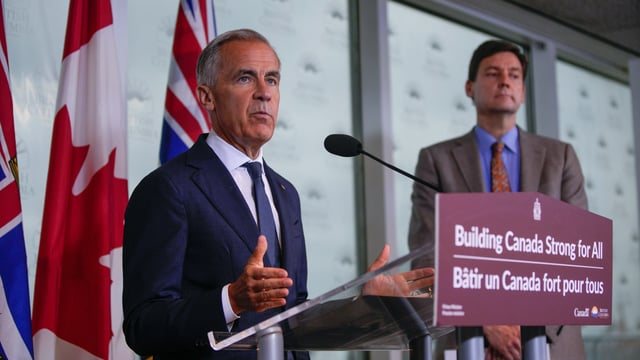
The federal Liberal government has put forward Budget 2026, a spending and tax plan built around the goal of what it calls economic sovereignty. The package pairs targeted tax changes with billions of dollars in new spending, with the largest allocations directed at spurring investment in small businesses, addressing homelessness and promoting Canada's cultural sector.
The budget's headline commitments centre on encouraging private investment by smaller firms, a sector the government has long identified as central to productivity and job creation across the country. Alongside the tax measures, the spending priorities reflect a effort to strengthen domestic capacity at a time when Canada is seeking to reduce its exposure to outside economic pressures.
On the social side, the budget sets aside significant funding to address homelessness, an issue that has grown more visible in cities across the country. The cultural sector, which includes film, publishing, music and broadcasting, also features among the big-ticket items, with the government presenting support for Canadian creators as part of its broader sovereignty agenda.
The package is likely to draw scrutiny in the House of Commons, where opposition parties are expected to examine the cost of the spending against the revenue raised through the tax changes. Provinces and territories, which deliver many of the services that the homelessness and culture funding touches, will also be watching how federal transfers and cost-sharing arrangements are structured.
Budget 2026 is the government's principal statement of economic direction for the year ahead. Its tax changes and spending commitments will be debated through the parliamentary process before measures take effect, and the details of implementation will determine how the money reaches businesses, shelters and cultural organizations in communities from coast to coast.
15