The Ontario Liberals will name a new leader on Saturday in Toronto, ending a leadership race that has left the third-place party in search of a long-term figurehead. Voting closes on Friday under a ranked ballot, and the result will be announced at a downtown Toronto event. The winner will be the party's third leader since 2018, a period in which the Liberals have struggled to regain their footing after losing official party status.
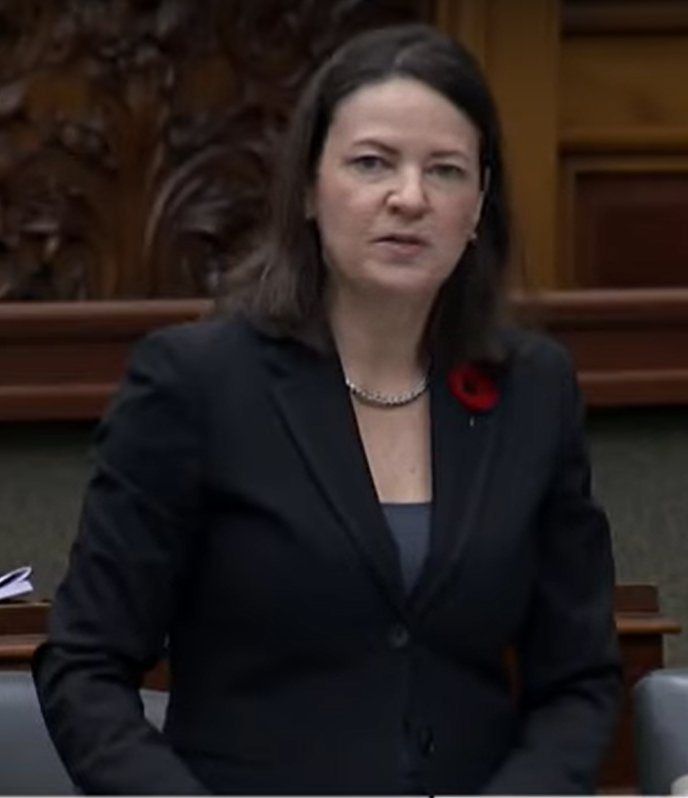
The four candidates are Lee Fairclough, a Liberal member of the legislature and former hospital executive; Navdeep Bains, a former federal cabinet minister and Rogers executive; Stephanie Bowman, a caucus member and former bank executive; and Dylan Marando, a former political staffer and strategist. Polling suggests that most Ontarians are not familiar with any of them. The next general election may not come until 2030, which gives the new leader considerable time to introduce themselves to voters.
Blue Knox, a longtime Liberal strategist who is staying neutral in the contest, said she expects the race to come down to Fairclough and Bains, though she added that few in the party are certain of the outcome. She described the contest as a close one and said the tone of this campaign had been more amicable than the last leadership race, which she said would help the winner unite the party behind them.
The Liberals' recent leadership history has been turbulent. Bonnie Crombie won the 2023 race, but friction with runner-up Nate Erskine-Smith persisted, and Crombie resigned after about two years following a lukewarm show of support at an annual general meeting. Her predecessor, Steven Del Duca, also served about two years before resigning after a disappointing showing in the 2022 provincial election. Neither Crombie nor Del Duca held a seat in the legislature when they became leader, and neither won one in an election.
Whether the next leader should hold a seat has become a central question in the race. Fairclough and Bowman, both current caucus members, have argued that it matters a great deal. Interim leader John Fraser, who is also neutral, said that a leader without a seat must at least have a plan for getting one. “You need to have a plan to get a seat,” Fraser said. “Doesn’t (mean) you have to have one right away, but you need to have a plan because the last two leaders didn’t really have a plan, and it didn’t work out so well.”
Fraser said the most important tasks for the next leader will be travelling the province and speaking with Ontarians outside the legislature. Opposing Premier Doug Ford is not enough, he said; the party must develop policies that offer a credible alternative to the Progressive Conservative government.
The Liberals fell from power in 2018, after 15 years in government, and lost official party status to Ford's Progressive Conservatives. They increased their numbers to 14 members in the 2025 election and regained that status, which gives them more resources and more speaking time in the legislature. Fraser cautioned that the road to the premier's office usually takes more than one election cycle, pointing to Dalton McGuinty, who became premier seven years after winning the party leadership.
About 55,000 party members were eligible to vote, a figure the party says is double its membership before the race began. It remains roughly half the size of the membership before the 2023 leadership contest.
10