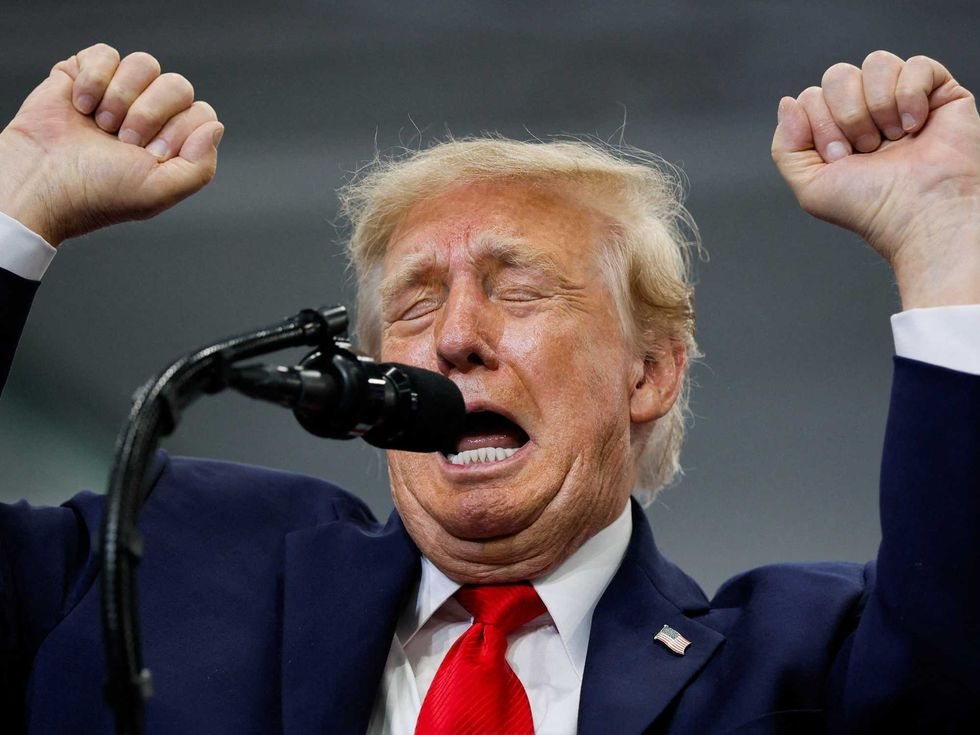
President Donald Trump said in a Thursday post on Truth Social that the United States no longer needs a deal with Iran, reversing a position he had signalled only days earlier. In the same post he gave Vice-President JD Vance a new assignment, directing him to focus on crime and corruption in Democratic-run cities rather than on efforts to end the conflict.
The shift came after Trump, on Monday, had pointed to « positive momentum » toward ending the war with Iran. Vance had been involved in outreach aimed at resolving the conflict, and on Wednesday he distanced himself from the war and questioned its cost. Earlier, Vance had described a recommendation to end the war as « sound advice ». The war has been unpopular with Americans since it began, and the reversal leaves the administration without a stated path out of the conflict.
In his post, Trump claimed that the United States holds Iran's money, amounting to hundreds of billions of dollars, and that it controls Iran's Strait, a reference to the Strait of Hormuz. He offered no evidence for either claim in the material available. He also asserted that billions of dollars are stolen every month, again without providing supporting evidence. These statements were presented as his own assertions rather than established findings.
The political backdrop is significant. Vance is widely seen as a leading contender for the Republican presidential nomination in 2028. Republicans lost the midterm elections to Democrats, and Vance blamed the Iran war for part of that defeat. Redirecting him toward domestic law enforcement and corruption issues moves him away from the diplomatic effort he had been part of, at a time when his public distance from the war has become more pronounced.
The focus on Democratic-run cities is not new. Since January 2025, Trump has targeted such cities over immigration and alleged corruption. The administration at one point tried to freeze $10 billion in child care and social services funds for five Democratic states, then dropped the move. A fraud scandal in Minnesota has since been used as the basis for broader attacks on Democratic states, extending a pattern in which a single case is cited to argue about governance across entire jurisdictions.
The post leaves open how the administration intends to proceed on Iran, having said a deal is no longer needed without describing a replacement course. Its consequences for the conflict, for Vance's standing within the party, and for the Republican approach to crime and corruption in Democratic-run cities remain to be seen.
1