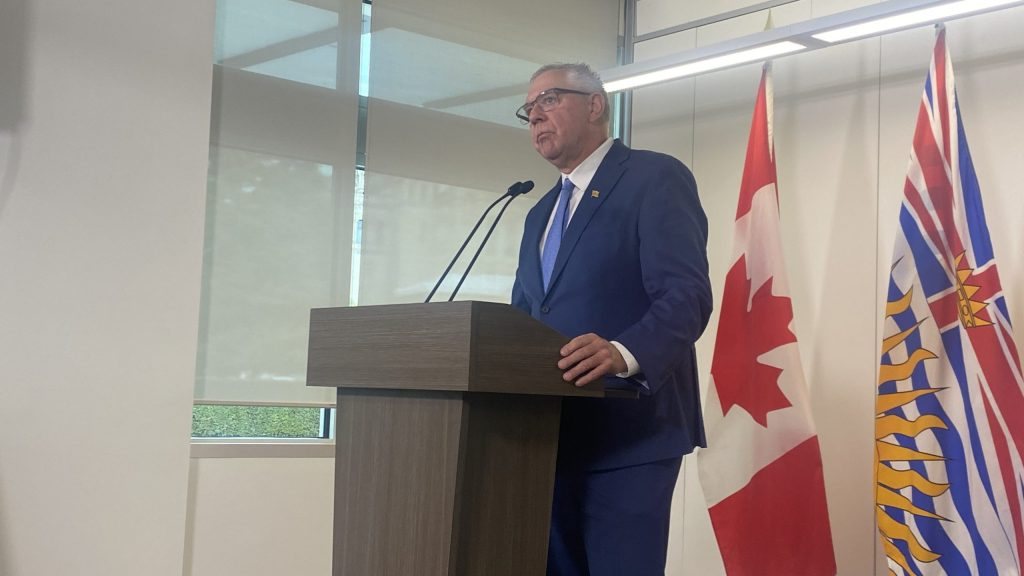

Prime Minister Mark Carney arrived in Manila early Saturday for the ASEAN summit, where he is expected to meet Philippine President Marcos Jr. later the same day. The visit is aimed at deepening Canada's trade and security relationships in the Indo-Pacific at a time when Ottawa is looking to reduce its reliance on the United States.
The summit brings together 20 heads of government, including U.S. President Donald Trump and Brazilian President Lula. The Association of Southeast Asian Nations is a bloc of 11 countries with nearly 700 million people. Carney is seeking a separate trade agreement with the wider ASEAN group, in addition to bilateral arrangements already in place or under negotiation.
Trade between Canada and ASEAN reached $52.3 billion last year, an increase of roughly a fifth over the previous year. The federal government has set a goal of doubling Canada's non-U.S. exports by 2035, and the region is central to that target. Merchandise trade between Canada and the Philippines totalled $3.4 billion in 2025.
Pork is one of the products at stake. Canada exported about $279 million in pork products to the Philippines in 2024, but Manila is weighing a ban on many pork imports, and a decision is expected later this month. The outcome would directly affect Canadian producers who depend on the Philippine market.
Canada has already concluded agreements elsewhere in the bloc. A trade deal with Indonesia was signed last autumn, and a strategic partnership with the Philippines was signed this summer, covering labour mobility and climate resilience. Bilateral trade talks between Canada and the Philippines date back to 2015 and were restarted a year ago, so Carney's meeting with Marcos Jr. builds on a process that has been under way for more than a decade.
Security cooperation is also part of the agenda. Canada has appointed a senior-ranked defence attaché for the Indo-Pacific, joined naval exercises in the Taiwan Strait, and is helping the Philippines detect Chinese vessels operating in disputed waters. Experts note that ASEAN countries tend to view security more broadly, linking it to economic and climate concerns, a framing that shapes how partners approach the region.
The summit is taking place against a backdrop of rivalry between the United States and China over semiconductors, critical minerals and tariffs, issues that are shaping the discussions among leaders. Smoke from wildfires in Indonesia is also affecting several countries in the region, adding an environmental dimension to the meeting. Some analysts have questioned whether Canada's narrow, trade-focused approach will be enough to sustain its ties with Southeast Asia over the long term.
2