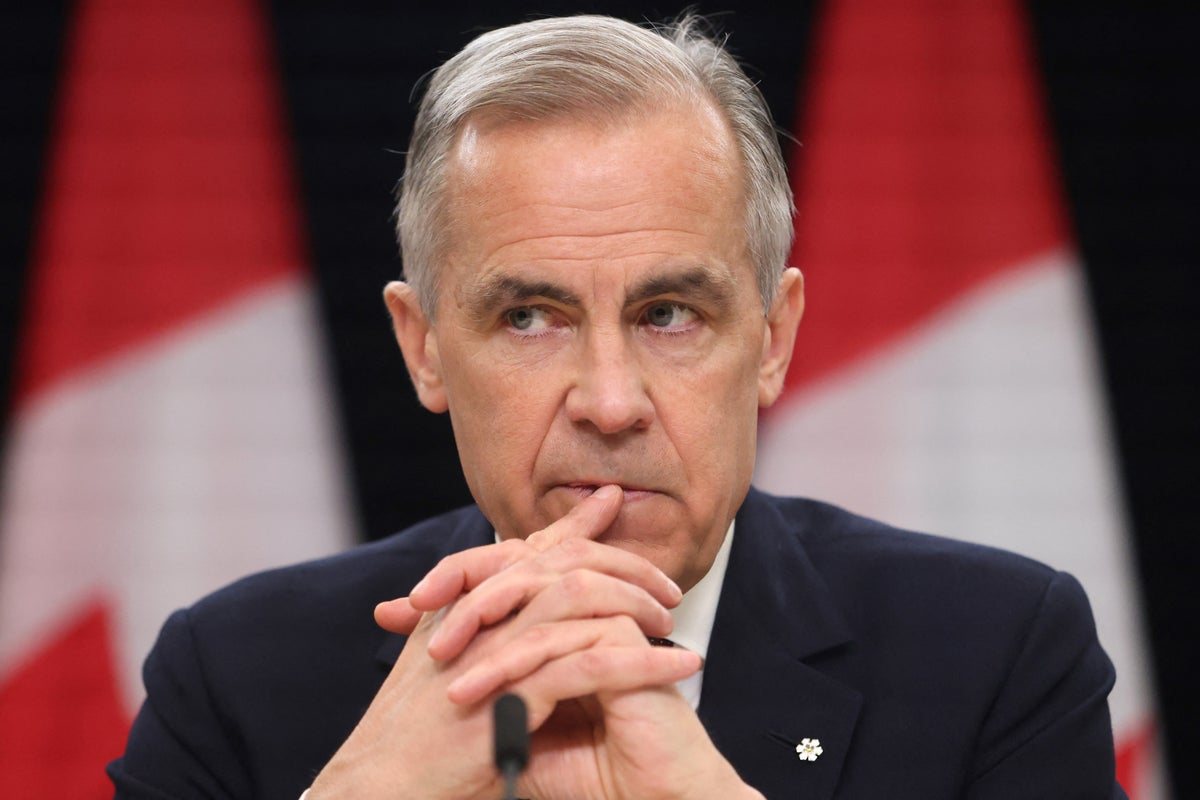
The federal government has pledged to end homelessness in Canada within ten years, a goal set out in Budget 2026. The Carney government attaches $11.2 billion in funding over the first four years of the plan, with spending beginning next year. Across the full ten-year window, the total commitment reaches $17.8 billion.
The budget frames the pledge as a national target rather than a series of local projects. The four-year allocation is the only portion of the plan with a defined funding figure in the material available, while the remaining amount of the ten-year total is projected across the later years of the decade. The announcement places homelessness among the core federal priorities for the coming years, alongside the broader fiscal plan the government has presented for 2026.
The scale of the commitment is substantial compared with the four-year figure. The $11.2 billion covers the period in which spending begins next year, and the $17.8 billion total means roughly $6.6 billion is set to be spent in the years after that initial window. Taken together, the two figures show a plan designed to run well beyond a single election cycle, though the material does not specify how the spending will be phased from one year to the next.
Several important details have not been made public. The budget material does not break down how the $11.2 billion will be divided among programs, provinces and territories, municipalities, or service providers. It also does not define what « ending » homelessness means in measurable terms, such as the number of people housed, the reduction in chronic or unsheltered homelessness, or the threshold that would be considered success. No outcome measures or accountability mechanisms have been stated, which leaves open how progress will be tracked and reported over the decade.
Homelessness in Canada is a responsibility shared among federal, provincial, territorial and municipal governments, and most frontline services are delivered by community organizations. Any federal commitment of this scale therefore depends on coordination with the provinces and territories, including Ontario, Quebec, British Columbia and Alberta, where much of the day-to-day service delivery and housing policy is determined. Whether and how those governments align with the federal target will shape how the funding reaches people in communities across the country.
For Canadians experiencing homelessness, and for the agencies that serve them, the practical effect of the pledge will depend on how the funding is distributed and what conditions are attached to it. The four-year figure gives a near-term measure against which the government can be judged, while the ten-year total signals a longer commitment. Further detail on allocation and targets will determine whether the pledge becomes a set of measurable obligations or remains a broad policy goal.
3