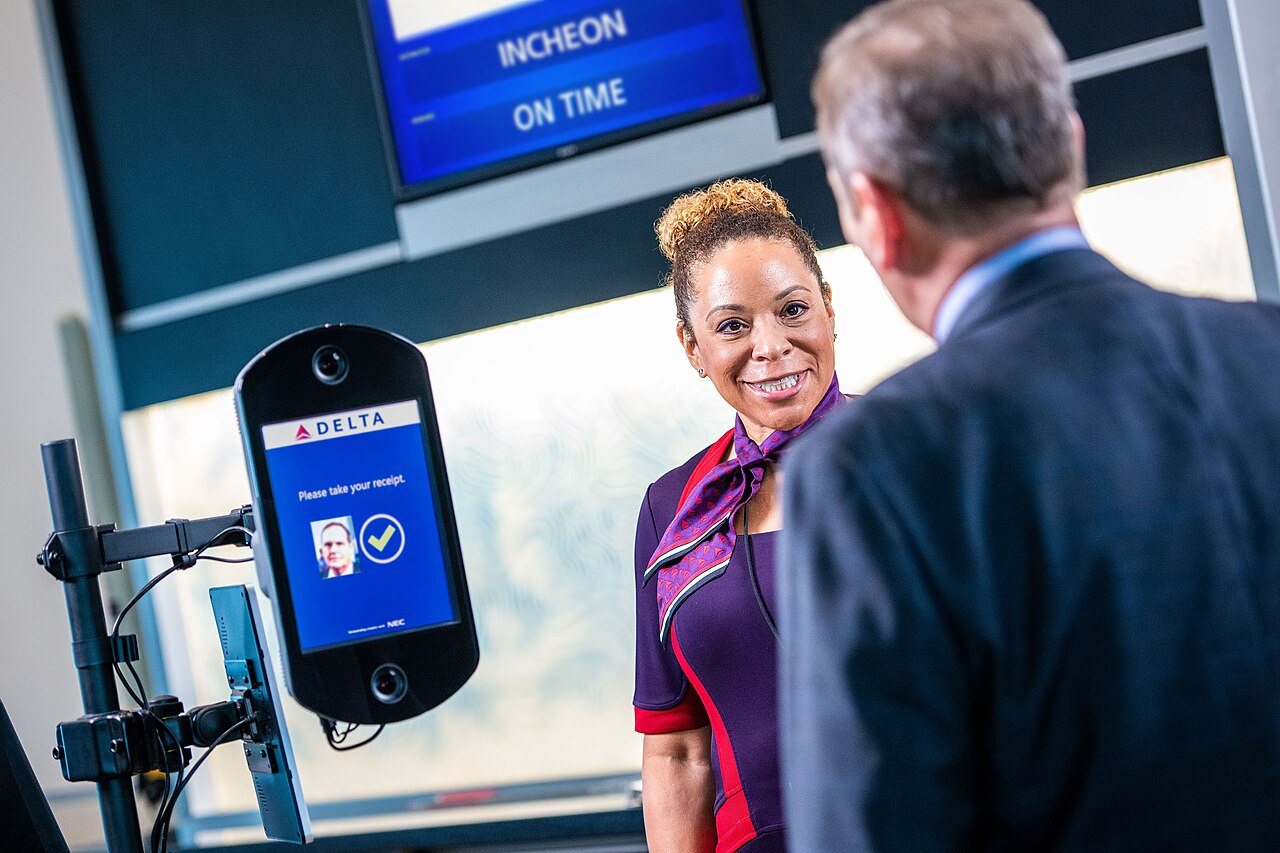
Facial recognition is often presented as a convenience, a faster way to unlock a phone, clear a border checkpoint or verify an identity. A conversation on CityNews Montreal's podcast The Big Story suggests that the convenience may come with costs that are easy to overlook, particularly as biometric surveillance becomes a core part of security systems.
Host Maria Kestane spoke with Aaron Tucker, an author and associate professor at Memorial University of Newfoundland, about what happens when a person's face effectively becomes data. The episode, published in November 2026, focuses on the gap between how the technology is sold to the public and how it functions once it is embedded in institutions.
Tucker's central point concerns consent. In everyday settings, a person can often decline a service that uses facial scanning. Where the stakes are high, such as border control, policing and immigration processing, that choice is far more limited. Individuals may have no practical option to refuse, which means the notion of voluntary participation carries less weight than the marketing implies.
The discussion also turned to who decides how the systems operate. Among the questions raised was who sets the thresholds for compliance, meaning the point at which a match or a scan is treated as sufficient to trigger a decision. Those choices are typically made by the organizations that deploy the technology rather than by the people being scanned, a dynamic that shapes outcomes for individuals who are flagged or misidentified.
A related theme was what changes when data collection is mandatory rather than optional. When participation is required, the usual safeguards that rely on individual choice, such as opting out or walking away, no longer function in the same way. Tucker's framing invites listeners to consider whether existing rules and expectations have kept pace with systems that now collect biometric information as a routine condition of travel, work or contact with the state.
The episode does not offer specific figures, named case examples, or details of current policy or legal outcomes, so the conversation remains a broad examination of principles rather than a report on particular decisions. It nonetheless adds to a growing public debate in Canada about how biometric surveillance is governed, and about whether convenience is an adequate justification for systems that few people can meaningfully refuse.
5