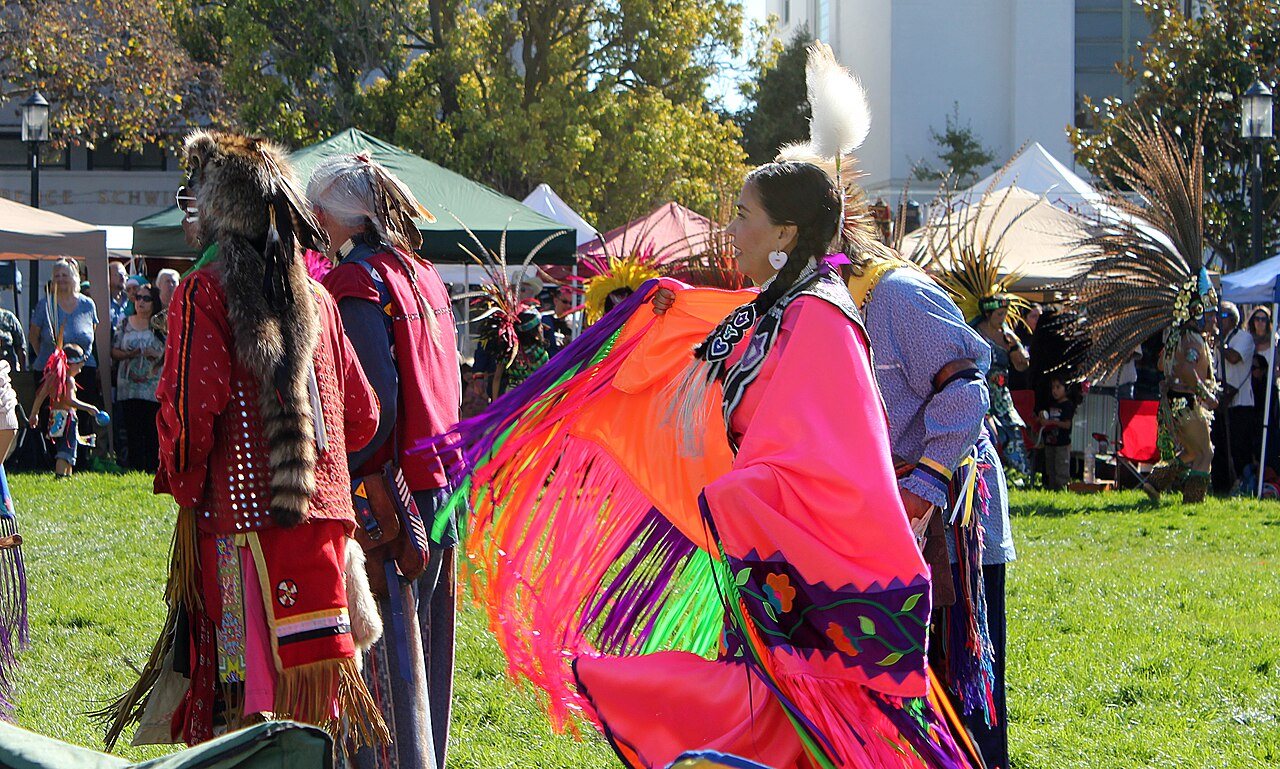
Indigenous entrepreneurs in Canada are projected to grow their numbers by 23 per cent over the next decade, a rate more than double that of other Canadian entrepreneurs, according to figures cited by AFOA BC in a piece marking National Indigenous History Month in June and Indigenous Peoples' Day on June 21. The organization argues that the national conversation about Indigenous peoples should move beyond resilience and toward prosperity and self-determination.
The piece covers First Nations, Inuit and Métis peoples across Canada. Wendy Ham, Executive Director of AFOA BC, was interviewed about what the day means to her personally. Ham stressed that awareness of the trauma experienced by Indigenous peoples should sit alongside recognition of their cultural contributions and their survival as nations and communities. In her account, the day is not only a moment to acknowledge hardship but also to recognize what Indigenous peoples have built and continue to build.
The projected growth figure comes from the Business Development Bank of Canada. A separate reference cited by the article, from the National Indigenous Economic Development Board, reports that Indigenous small and medium-sized enterprises are outperforming Canadian SMEs on sales and growth. Global Affairs Canada, also cited in the piece, notes that Indigenous businesses are active across construction, retail, tourism, hospitality and the resource sectors. Taken together, these references place Indigenous enterprise across a wide range of the Canadian economy rather than in a single niche.
The article highlights Indigenous leaders working in finance, governance, entrepreneurship and education. It also points to youth programs that bring Indigenous people into accounting and leadership careers, presenting them as a pathway to building capacity within communities. The emphasis on accounting and financial management reflects the organization's own field of work, and the piece presents trained Indigenous professionals as a means of strengthening decision-making in their communities.
The article does not present the growth figures as realized outcomes. The 23 per cent increase is a projection, not a measured result, and the piece does not indicate the baseline from which it is calculated. The article also acknowledges that Indigenous businesses and communities continue to face persistent challenges. It refers to these barriers in general terms, and the material available for this report does not detail them further.
The piece is an advocacy publication by AFOA BC, an organization focused on financial management and capacity in Indigenous communities, and it is not independent reporting. Its framing reflects the organization's position that economic participation and self-determination should be central to how Indigenous history and identity are discussed in Canada. Readers should weigh the projections against the independent sources the article cites, and against the challenges it acknowledges but does not quantify.
8