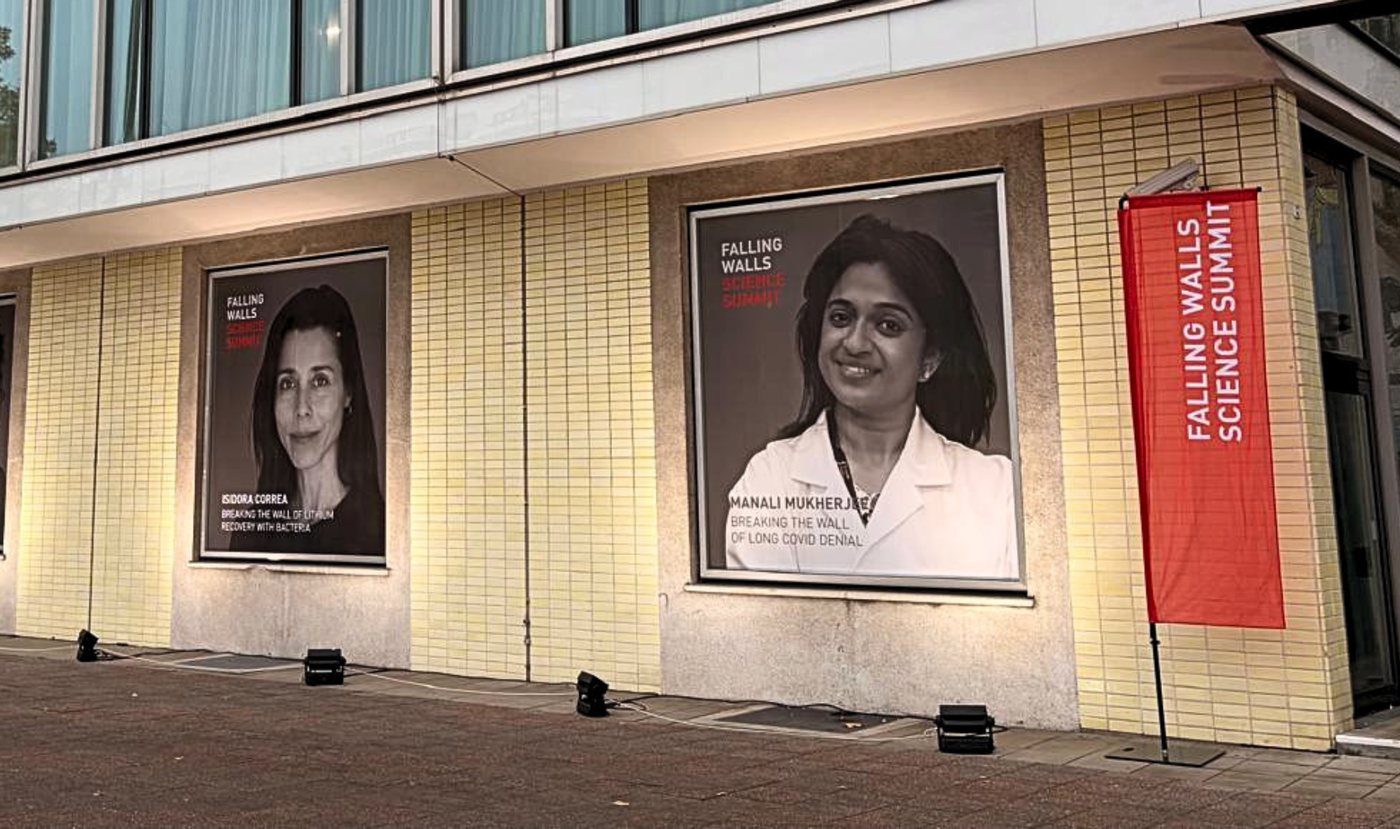
McMaster University respiratory immunologist Manali Mukherjee has been honoured at the 2026 Falling Walls Science Summit in Berlin, where she received the Women's Impact Award and the Science Breakthrough of the Year prize. The recognition was given for research that challenges the view that Long COVID is a matter of denial, grounding it instead in immunology.
Mukherjee is an associate professor of medicine at McMaster and holds the AstraZeneca Chair in Respiratory Diseases. She leads the Lung Autoimmunity and Biomarkers Laboratory at the Hamilton university, where her team studies why recovery from COVID-19 varies so widely from one person to the next. The central goal is to identify patients who need closer monitoring before their symptoms become entrenched.
In a study published in the European Respiratory Journal, the team examined antinuclear autoantibodies in patients about a year after infection. Those who carried the autoantibodies were more likely to report persistent fatigue and breathlessness. The same group also documented ongoing inflammation in these patients, linking the lingering symptoms to a measurable biological process rather than to psychological causes alone.
The laboratory is now working toward a simple blood test that could help clinicians decide which patients should be referred for further care. No such clinical screening tool exists yet, and the research cohort is roughly three-quarters women, a detail the team considers relevant to how the condition presents and is recognized.
The scale of the problem is considerable. Statistics Canada estimates that about 3.5 million Canadian adults live with long-term symptoms, roughly one in nine adults, and more than half of those affected were still reporting symptoms in mid-2023. Mukherjee's work sits within a longer history of post-viral illness, including prolonged symptoms among survivors of the 2003 SARS outbreak, most of them health-care workers. She has pointed to rheumatic fever as an example of how a condition can be prevented once a delayed immune response is understood, and to a 2022 study that linked Epstein-Barr virus to a 32-fold higher risk of multiple sclerosis.
Mukherjee has herself lived with Long COVID, having developed it after an infection. Her personal experience informs the advocacy she brings to her research. She will speak at the Falling Walls Summit in Berlin from November 6 to 9, on a panel about communicating Long COVID research to policymakers. The summit draws more than 2,000 attendees from over 100 countries, and Canada is this year's partner country.
Despite growing scientific evidence, policy and funding responses to Long COVID remain limited, and a validated blood-based screening tool has yet to reach clinical use. Mukherjee's recognition places the question of how these findings translate into care and support for Canadians squarely in the spotlight.
6